LMNP investment in the mountains: Complete guide
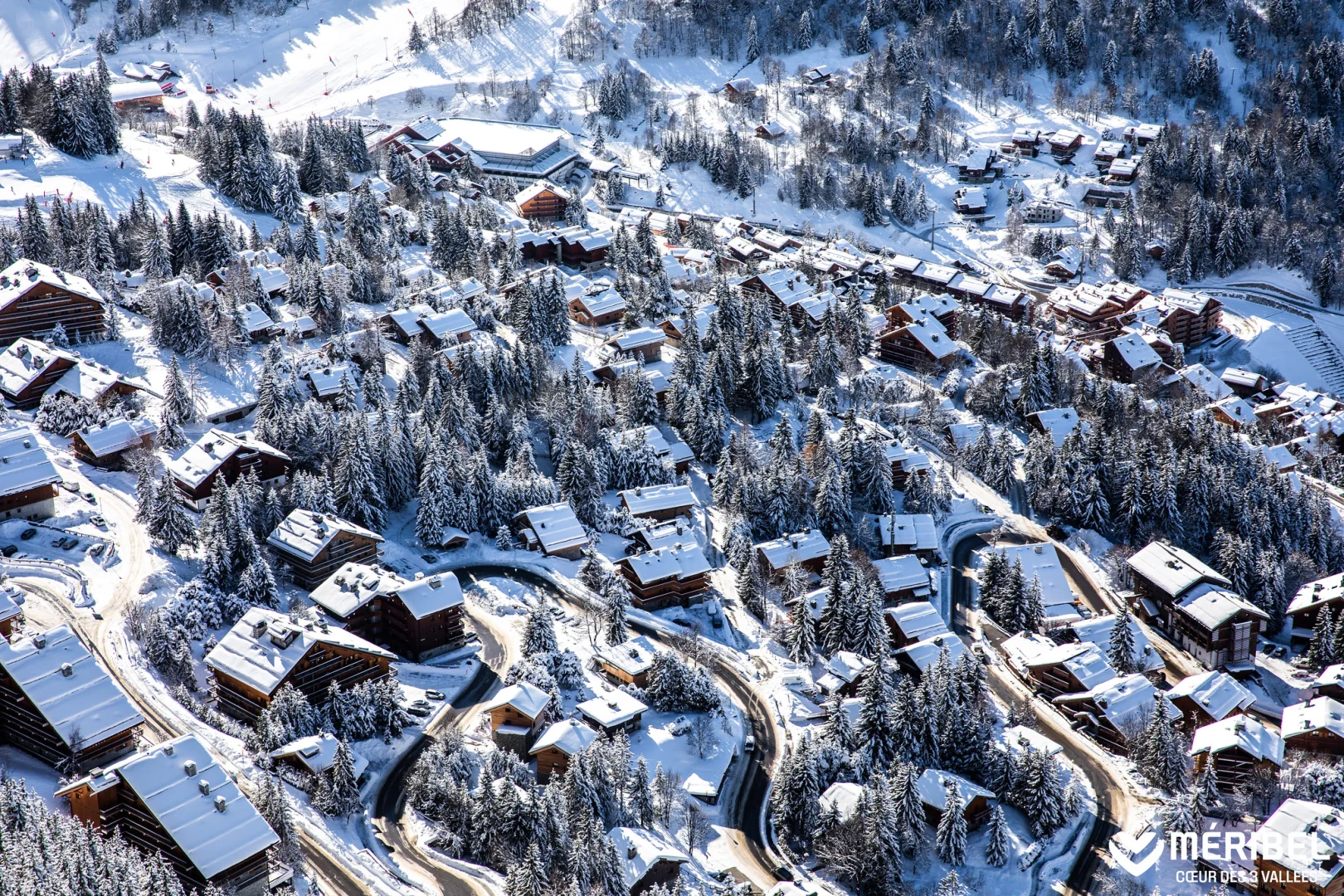
LMNP investment in the mountains is now a popular solution for combining rental profitability, tax optimisation and enjoyment of use. In renowned resorts such as Méribel and Courchevel, non-professional furnished rentals benefit from a favourable context: strong tourist demand, limited supply and the enduring appeal of Alpine destinations.
What is LMNP status and how does it apply to mountain investments?
The LMNP (Loueur Meublé Non Professionnel) status is intended for owners who rent out furnished properties without this activity constituting their main profession. It differs from the LMP status in terms of income thresholds and tax obligations.
To be eligible for LMNP status, rental income must not exceed certain limits and must remain lower than other income in the tax household. In mountain areas, this status applies to flats, chalets and properties located in tourist residences.
The LMNP allows you to choose between two tax regimes:
-
micro-BIC, with a flat-rate allowance,
-
the actual regime, which is more technical but often more advantageous in resorts.
Mountain areas have their own specific characteristics: mainly seasonal rentals, high expectations in terms of comfort and services, and very marked occupancy cycles depending on the season.
Specific tax advantages for furnished rentals in resorts
The main advantage of the LMNP lies in the possibility of depreciating the property and furniture, which allows a large part of the tax on rents to be offset. Under
the actual regime, the investor can also deduct:
-
loan interest,
-
management fees,
-
co-ownership charges,
-
renovation and maintenance costs.
In certain cases (purchase in a serviced residence), VAT can be recovered, subject to compliance with the conditions relating to the operation. As
the income is taxed in the BIC category, the tax burden is generally lower than for a traditional unfurnished rental.
Why invest in a non-professional furnished rental in the mountains?
The mountains offer several factors that favour furnished rental investment.
On the one hand, rental demand is strong, driven by winter sports, but also by the development of summer activities and green tourism. On the other hand, rents charged in high season often exceed those seen in large cities.
Investing in a resort also allows you to diversify your assets, moving away from the volatility of urban markets. Added to this is the possibility of using the property as a second home, without compromising the investment logic.
Finally, the tourist appeal of the Alps, and more particularly of major areas such as the 3 Vallées, is part of a long-term trend.
What type of tenants should you target in resorts?
The clientele in mountain resorts is diverse and evolving.
In winter, families, groups of friends and international visitors make up the bulk of the demand. Added to this are seasonal workers looking for accommodation for several months.
Outside the season, some investors target longer-term rentals, while new profiles are emerging: teleworkers, freelancers and digital nomads, attracted by the peace and quiet, the natural environment and the quality of life.
Adapting your property and strategy to these different clienteles allows you to smooth out rental vacancies throughout the year.
How to choose the right location for an LMNP investment in the mountains?
In the mountains more than anywhere else, location is key to the success of the project.
The key criteria are:
-
proximity to the slopes or ski lifts,
-
access to shops and services,
-
ease of access to the resort (train station, airport, roads),
-
year-round tourist activity.
Altitude also plays a key role. Resorts located above 1,700 metres offer better snow cover and increased visibility in the face of climate challenges.
Top French resorts to invest in
Certain resorts stand out for their consistency and attractiveness to investors. Méribel and Courchevel benefit from a premium location, a loyal international clientele and a solid track record of value growth.
The 3 Vallées ski area offers a major competitive advantage thanks to its size and diversity. Other resorts such as Val Thorens, Chamonix, Tignes and Les Arcs may also present interesting opportunities, depending on the type of property sought.
What technical criteria should be used to select the right property?
Beyond the resort, the property itself must meet specific criteria:
-
surface area and layout suitable for families,
-
quality insulation and exposure,
-
presence of a balcony or a view,
-
parking and ski storage.
These factors directly influence the ability to rent quickly and at a good price.
What are the risks and constraints of investing in mountain accommodation?
The limitations of mountain life
Investing in a resort involves marked seasonality, with peaks of activity concentrated over a few weeks. Maintenance costs can be higher due to the climate and altitude.
Dependence on snow cover also requires careful selection of resorts, favouring those that can offer a diverse range of tourist activities.
Beware of tax and regulatory risks!
The LMNP (leaseback scheme) requires compliance with strict reporting obligations. VAT recovery, for example, may be called into question in the event of early resale. Regulatory
changes (taxes, quotas, second homes) must also be taken into account at the time of purchase.
Rental management: independent or delegated?
Managing the property yourself allows you to maximise profitability, but requires a significant amount of time. Delegated management, via a specialised agency or a serviced residence, offers greater peace of mind, at the cost of a commission.
How can I optimise the profitability of my resort investment?
Optimisation starts with choosing the most suitable tax regime. The actual regime often proves to be more effective in mountain areas.
The quality of the furnishings, internet connection, bedding and children's equipment are real differentiators.
Finally, a pricing strategy adjusted to seasonality and a well-presented advertisement (photos, description, customer reviews) significantly improve occupancy rates.
Comparison: how does profitability in the mountains compare to the city?
For equivalent gross returns, the mountains offer greater volatility, but also higher income potential during certain periods.
In the long term, the increase in property value in well-known resorts more than compensates for the management constraints and seasonality.
FAQ: frequently asked questions about LMNP investment in the mountains
When is the best time to buy in the mountains?
Off-season periods can offer better opportunities for negotiation.
Can you use your property while renting it out under the LMNP scheme?
Yes, the status allows for personal occupation, subject to clear organisation.
New or old: which is better?
Old properties often offer better immediate returns, while new properties offer specific tax advantages.
Is it easy to resell?
In attractive resorts, market liquidity remains high.
