Investing in the mountains or by the sea: a comprehensive comparison for your holiday rental
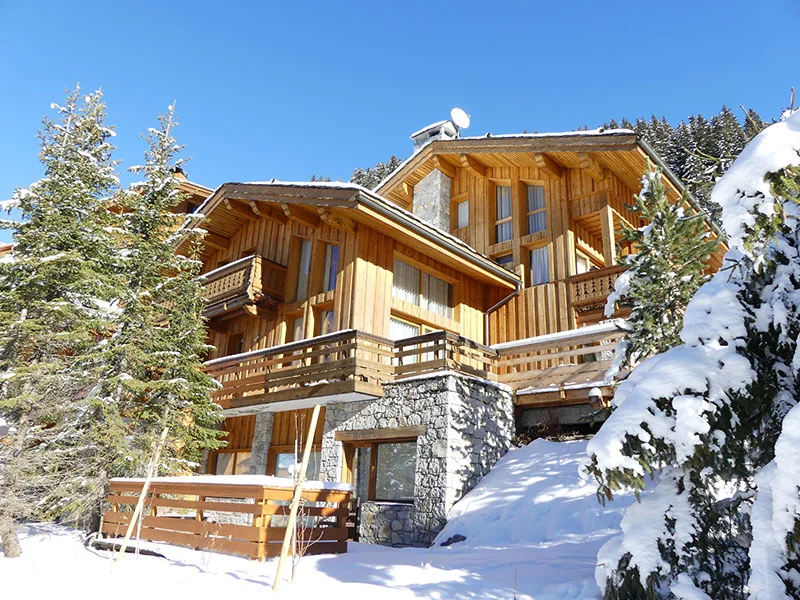
- Ski resorts offer higher rental yields (up to 11–12%) thanks to their dual winter/summer seasonality.
- The seaside appeals with steady capital appreciation, but concentrates its income over just a few months.
- The energy efficiency of properties, often overlooked, can significantly impact actual profitability in both cases.
Rental yield: mountains or seaside – which destination is more profitable?
Mountain resorts consistently outperform seaside resorts in terms of gross yield. Some Alpine resorts achieve an annual rental yield of 11–12%, whereas seaside property tends to yield between 4 and 7%. The explanation can be summed up in one word: seasonality. Mountain property generates rental income across two distinct seasons, sometimes more.
A seaside flat is mainly let on a seasonal basis from June to September. Four months, five if you’re lucky on the Côte d’Azur. The rest of the year, the property stands empty or is let at a knock-down price.
In the mountains, the picture is different. The ski season runs from December to April. Then summer tourism in the mountains takes over: hiking, mountain biking, trail running, and spa treatments. Ski resorts such as Les Arcs or Chamonix now boast occupancy rates exceeding 70% over the year.
In terms of rates, the coast ranges from €25 to €30 per square metre per month for seasonal rentals on the Atlantic coast. In the mountains, prices skyrocket during the peak winter season: a studio in Val Thorens can be rented for €800 a week in February, then drop to €400 in summer. This price fluctuation, if managed well, yields a higher cumulative rental return.
Purchase price and valuation: where should you invest to maximise your wealth?
Check the price per square metre carefully depending on the destination
The purchase price per square metre varies considerably from one tourist area to another. On the Atlantic coast, expect to pay between €6,000 and €9,000 per square metre in towns such as Royan or La Rochelle. Prices along the Mediterranean coast are even higher: Nice averages over €5,500 per square metre, and certain neighbourhoods in Cannes are approaching €10,000.
In the mountains, mid-altitude resorts remain more affordable, at around €6,000 to €7,000 per square metre. The major Alpine resorts (Courchevel, Megève) are in a league of their own, with prices easily exceeding €12,000 per square metre.
How have prices changed over the last five years?
|
Location |
Change over 5 years |
Average price per m² (2025) |
|
Atlantic Coast |
+15 to 25% |
€6,000 to €9,000 |
|
Mediterranean coast |
+10 to 20% |
€7,000 to €12,000 |
|
Ski resorts (mid-altitude) |
+20 to 30% |
€6,000 to €7,000 |
|
Major Alpine resorts |
+25 to 35% |
€10,000 to €15,000+ |
|
National average |
+12 to 18% |
~€3,500 |
Mountain resorts have seen a marked post-Covid upturn. Remote working has boosted demand for second homes and semi-permanent residences in the mountains. This trend will slow down in 2025, but the fundamentals remain solid in well-connected resorts. If you prepare your application carefully, you could also consider self-financing your mountain property.
Environmental and climate risks: what impact will they have on your investment?
The coast and climate change
Coastal erosion and the retreat of the shoreline are gradually eroding the French coastline year on year. According to CEREMA, around 20% of the coastline is retreating, and some local authorities have already classified certain areas as suffering from irreversible coastal retreat. For a property investor, this means potential depreciation of the property, rising insurance costs, and sometimes the inability to resell.
Winter storms, which are becoming more frequent and violent, are also adding to the cost. Protective works, increased insurance excesses, and the risk of coastal flooding: these factors are eating into net profitability.
The mountains and climate change
The lack of snowfall poses a direct threat to ski resorts below 1,500 metres in altitude. Météo-France forecasts a 30–50% reduction in snow cover by 2050 below this altitude. Artificial snow is no longer sufficient to compensate, and its energy costs are skyrocketing.
Resorts that diversify their activities (cycling, wellness, green tourism) are faring better. Those that rely exclusively on downhill skiing, particularly in the mid-mountain range, face a real risk of property depreciation within the next 15–20 years. Before investing in a ski apartment, check the resort’s tourism diversification plan.
Quality of life and tourist appeal: carefully compare the strengths of each destination
The holiday destination directly influences the type of tenant you attract, and therefore the rent you can charge. Here is a brief comparison of the two environments.
|
Criterion |
Mountain |
Seaside |
|
Natural setting |
Forests, lakes, snow-capped peaks |
Beaches, harbours, coastal walks |
|
Air quality |
Excellent (altitude) |
Good (iodine-rich, well-ventilated) |
|
Main clientele |
Families, sports enthusiasts, active couples |
Families, retirees, international tourists |
|
Year-round activities |
Skiing, hiking, mountain biking, thermal baths, trail running |
Water sports, relaxation, golf, festivals |
|
Facilities |
Varies depending on the resort |
Generally well-developed |
|
Summer rental demand |
Rising sharply |
Very high, with fierce competition |
The mountains attract a clientele willing to pay for the experience. The seaside, on the other hand, enjoys universal and enduring appeal, but competition between owners is fierce there during the high season.
Energy performance: should you invest in energy-inefficient properties?
Over 50% of properties in mountain resorts are classified as energy-inefficient (F or G) in energy performance assessments. This is three times the national average, which stands at around 15–20%. The reason? Buildings constructed in the 1960s and 1970s, poorly insulated and heated by electricity.
The Climate and Resilience Act is gradually banning the letting of energy-inefficient properties. From 2025, properties rated G can no longer be let. Those rated F will follow in 2028. For an investor in the mountains, the cost of energy-efficiency refurbishment and bringing the property up to EPC standards must absolutely be factored into the profitability calculation.
Expect to pay between €15,000 and €40,000 to upgrade a 40m² flat from an F to a C rating in a mountain-based block of flats. External thermal insulation (ETI), often impossible in blocks of flats, complicates the work. Check the renovation plan and the votes from the general meeting before signing.
By the seaside, the situation is less critical. Newer properties predominate in certain tourist areas, and the milder coastal climate reduces heating requirements.
Rental strategies: how to maximise your income?
Which is better: short-term rentals or long-term rentals?
Seasonal tourist rentals generate higher gross income, but they are time-consuming. Managing arrivals and departures, cleaning, and communicating with guests: allow for 3 to 5 hours per week during the peak tourist season.
Year-round letting offers welcome stability. A fixed rent is paid every month, without interruption or rental vacancies. The return is lower (often 2 to 4 percentage points less), but so is the stress.
Many investors combine the two: they enjoy the property for a few weeks a year, rent it out seasonally during peak periods, and leave the property on a medium-term rental for the rest of the time.
Rental management: self-managed or outsourced?
Do you live near the property? Direct management remains the most profitable option. You keep 100% of the income and control the quality of the guest experience.
If you’re managing remotely, outsourcing is essential. Rental management agencies take between 15 and 25% of the turnover. Tourist accommodation managers offer commercial leases with a guaranteed income, though this is often modest. Platforms such as Airbnb or Booking simplify the process of listing your property online, whilst taking their commissions (3 to 15% depending on the platform).
Ask yourself a simple question: how much is your time worth? If you earn more by working than by managing an Airbnb, delegate.
Taxation of rental investments by the sea or in the mountains: LMNP and other schemes
The LMNP (Non-Professional Furnished Rental) status remains the most powerful tax incentive for seasonal rental investment, regardless of the destination. Here are the key points to remember:
- The actual cost basis scheme allows you to deduct all expenses: loan interest, renovation costs, insurance, management fees and council tax.
- The accounting depreciation of the property and furnishings significantly reduces taxable income, sometimes to zero for several years.
- In designated tourist areas, tourist tax and certain reporting obligations apply, but these do not fundamentally alter the tax advantage.
- The difference between seaside and mountain locations is mainly linked to the purchase price: a cheaper property in a mountain resort depreciates more quickly, which speeds up the net return on investment.
Be aware of the micro-BIC scheme: capped at €77,700 in revenue with a 50% allowance, it is suitable for small rental incomes. Above this threshold, the actual income tax regime becomes systematically more advantageous.
FAQ: everything you need to know to choose between investing by the sea and in the mountains
Should you favour large resorts or small resorts when investing?
Large ski resorts offer better liquidity on resale and consistent rental demand. Smaller resorts have a lower entry threshold, but the risk of rental vacancies increases. Opt for resorts with a four-season tourism diversification plan.
What budget should you allow for a flat in a ski resort?
For a two-room flat of 35–40m² in a mid-altitude resort, expect to pay between €210,000 and €280,000. In major Alpine resorts, the same property often exceeds €400,000. Add 10–15% for solicitor’s fees, renovation work and furnishings.
Is investing by the sea riskier than in the mountains?
The risk is different, not necessarily higher. The coast faces coastal erosion and flooding. The mountains face climate change and a lack of snowfall. In both cases, the property’s precise geographical location determines the actual level of risk.
How do you assess the value of a property in a tourist area?
Compare recent sale prices on notarial platforms (DVF, Patrim database). Analyse the resort’s average occupancy rate, check the property’s energy performance certificate (EPC), and estimate realistic rental income over twelve months. A tourist property is valued by its rental yield, not solely by its price per square metre.
