Méribel: A rich history in the heart of the French Alps (copy)
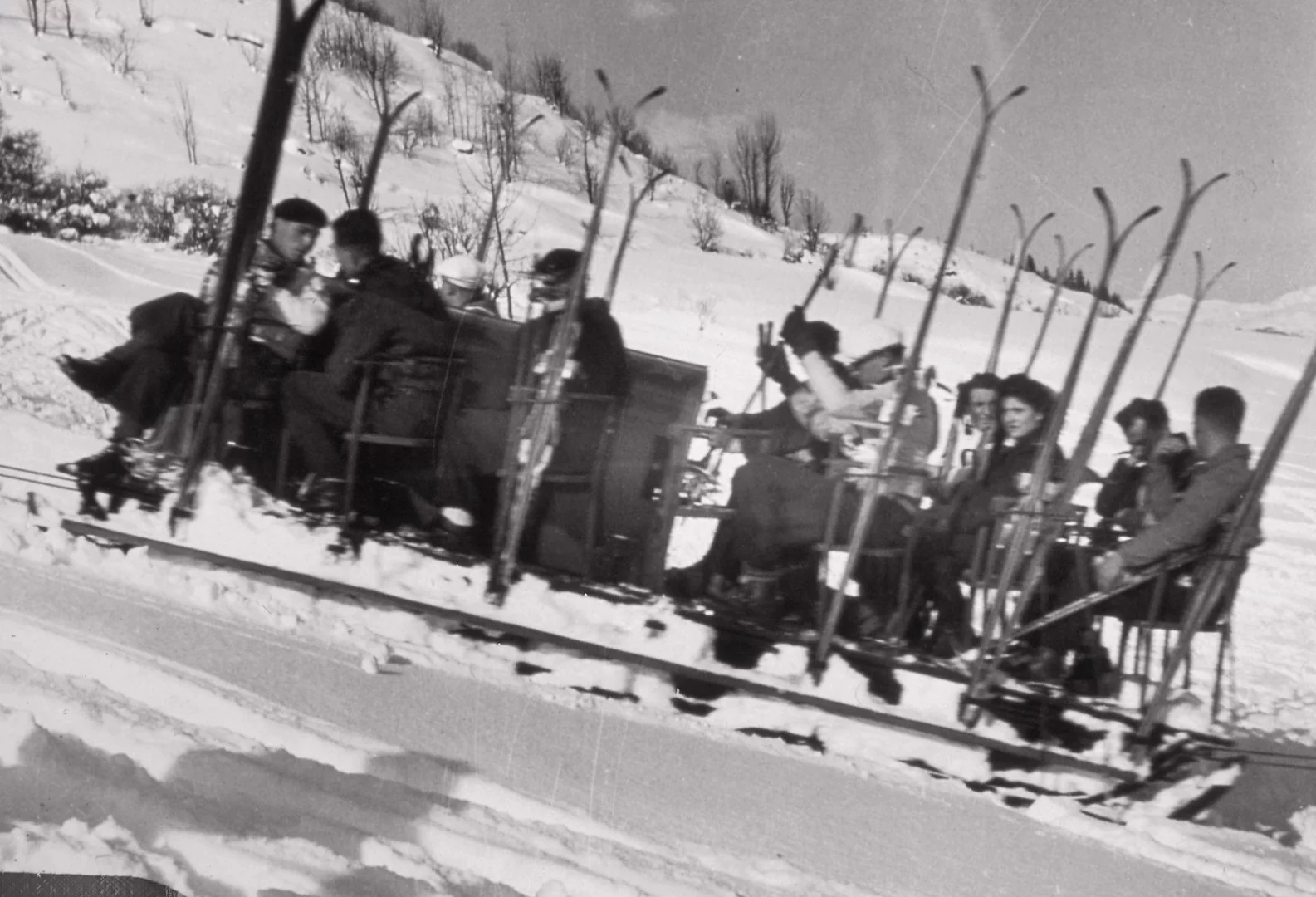
Nestled in the heart of the French Alps, Méribel is a resort founded in 1938 by Peter Lindsay in the Allues Valley, with the ambition of creating a harmonious ski area that respects its environment and remains true to Savoyard architecture. Today, it stands as one of Europe’s leading winter sports destinations, whilst retaining a strong and authentic identity.
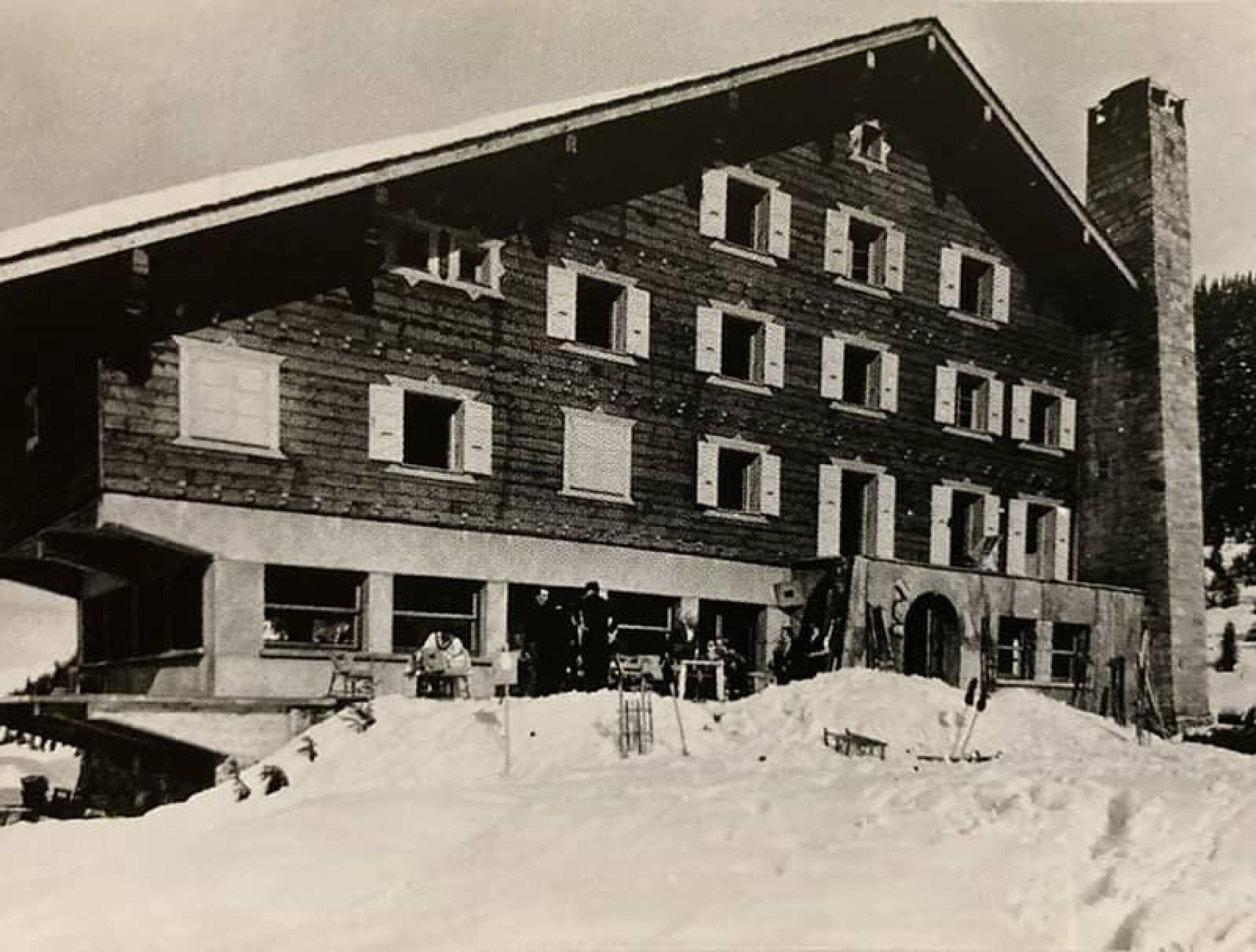
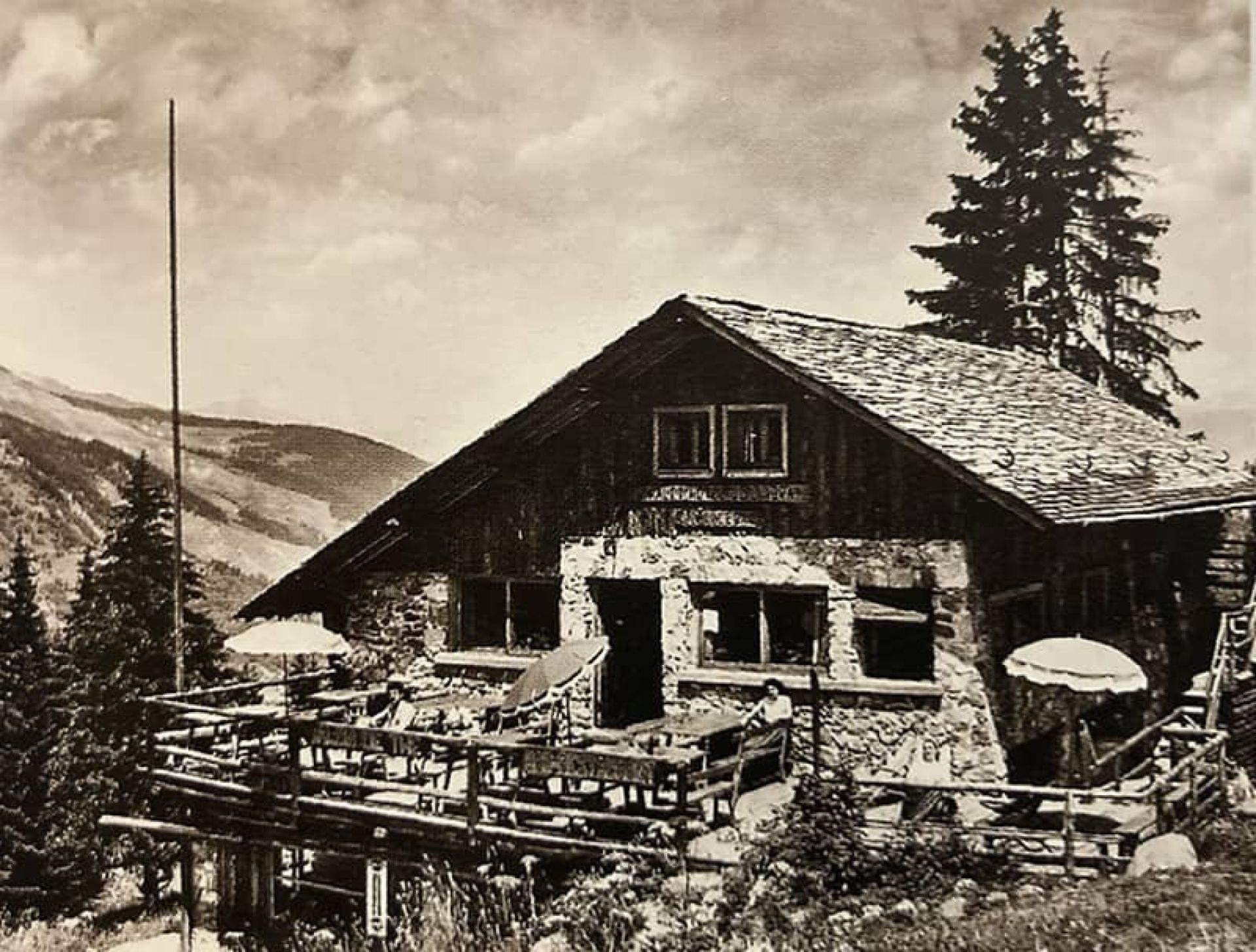
The Hôtel Le Méribel, Route des Chalets, in 1954 The Hôtel Adrey-Télébar, built in 1952
Humble beginnings
At the start of the 20th century, the Allues Valley was still a rural area, shaped by mountain farming and livestock rearing. Isolated and difficult to reach, it was far from being a tourist destination.
Everything changed in 1938 when Peter Lindsay, a Scottish officer with a passion for skiing, discovered the valley. The European context played a key role in his decision: faced with the instability caused by the Anschluss in Austria, Lindsay wanted to create a ski resort outside areas under German influence, aimed particularly at a British clientele.
Impressed by the valley’s orientation, its snow cover and its potential, he decided to establish a new-generation resort there. He partnered with Émile Allais, a leading figure in French skiing, to design a ski area that was both technically challenging and accessible.
WHO FOUNDED THE MÉRIBEL RESORT?
The resort of Méribel was founded in 1938 by Peter Lindsay, with the help of architects and skiing specialists such as Émile Allais.
Their objective was clear: to create an integrated resort that respected the landscape, where the architecture was in keeping with Alpine tradition.
Unlike other resorts built later in a more functional style, Méribel has been based from the outset on a strong aesthetic vision. Lindsay imposed strict specifications:
- use of local wood and stone
- slate roofs
- integration into the natural landscape
This choice was decisive and still explains the resort’s unique charm today.
.jpg)
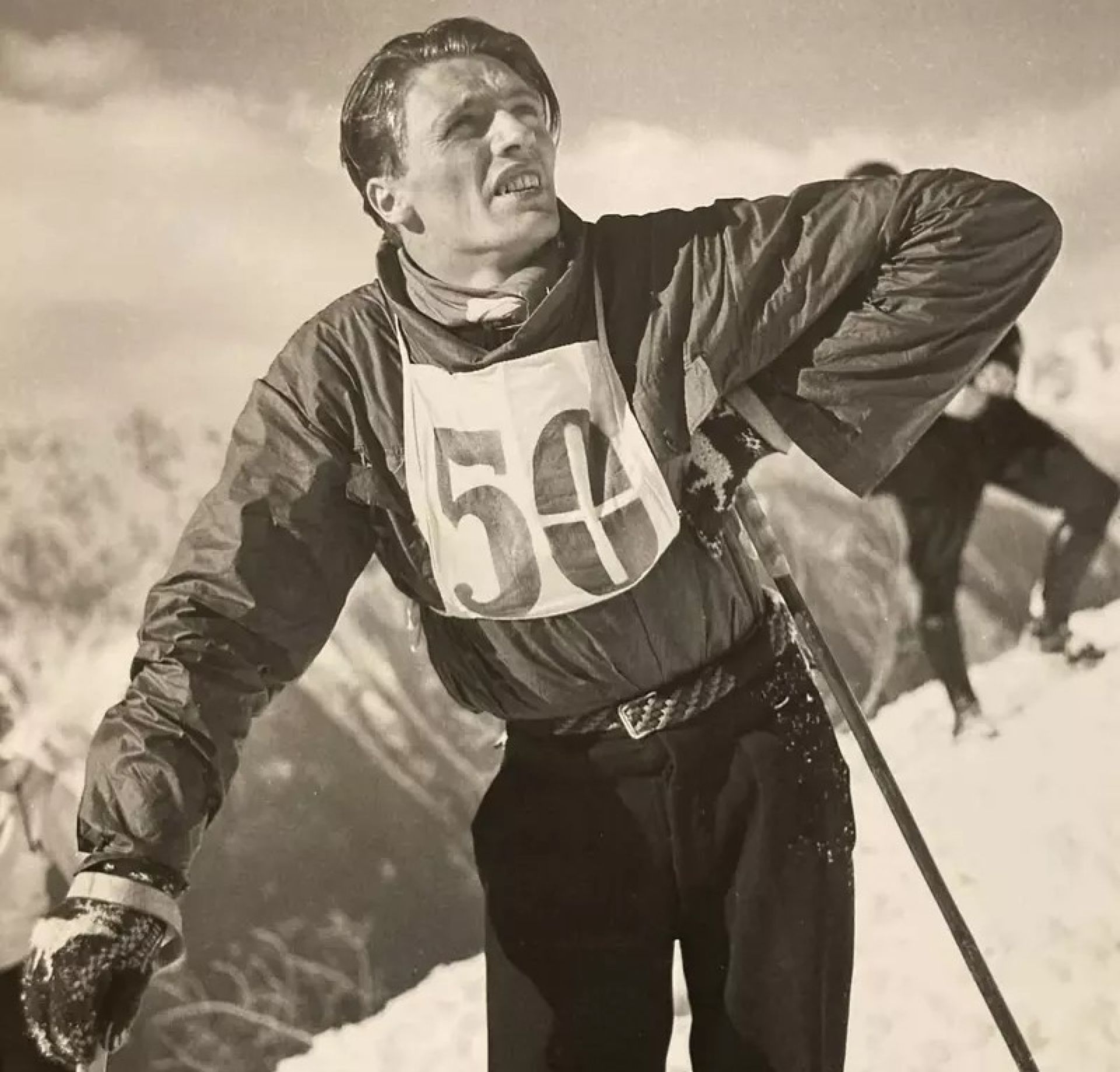
Peter Lindsay Emile Allais
The birth of Méribel
As early as 1938, the first infrastructure began to take shape. A ski lift was installed at Les Allues, marking the practical start of the project.
In just a few years:
- the first hotels and chalets were built
- nearly 40 hectares of land were acquired by British investors
- the resort began to attract an international clientele
But the Second World War brought this development to an abrupt halt.
After 1945, work resumed with great ambition. Peter Lindsay called upon renowned architects such as Paul-Jacques Grillo, as well as Christian Durupt and André Detour, to ensure lasting architectural coherence.
MÉRIBEL’S HERITAGE AND TRADITIONS
One of Méribel’s most striking features remains its architectural heritage. Unlike some modern resorts, it has managed to preserve a strong identity, inspired by traditional Savoyard villages.
The wooden and stone chalets, the sloping slate roofs and the warm façades evoke the rural history of the Allues Valley.
Beyond its architecture, Méribel also keeps mountain traditions alive:
- local festivals
- Savoyard cuisine (fondue, raclette, croûtes)
- local crafts and expertise
This authenticity is now a real asset in the face of more standardised competition.
MÉRIBEL AND THE 1992 ALBERTVILLE OLYMPIC GAMES
In 1992, Méribel made history by hosting several events at the 1992 Winter Olympics.
The competitions held in Méribel included:
- the women’s alpine skiing events on the famous Face slope
- the ice hockey matches
For the occasion, major infrastructure was built:
- the Face slope, now legendary
- the Olympic ice rink
- modern sports facilities
This legacy is still clearly visible today in the Méribel Olympic Park, which has become an essential multi-sports centre (swimming pool, spa, fitness, climbing, etc.).
MÉRIBEL AT THE HEART OF THE 3 VALLÉES
Méribel occupies a strategic position within the Les 3 Vallées ski area, the largest interconnected ski area in the world.
With over 600 km of interconnected slopes, the ski area links several major resorts such as:
- Courchevel
- Val Thorens
This central location allows skiers to easily explore in all directions, making Méribel a true hub for winter sports.
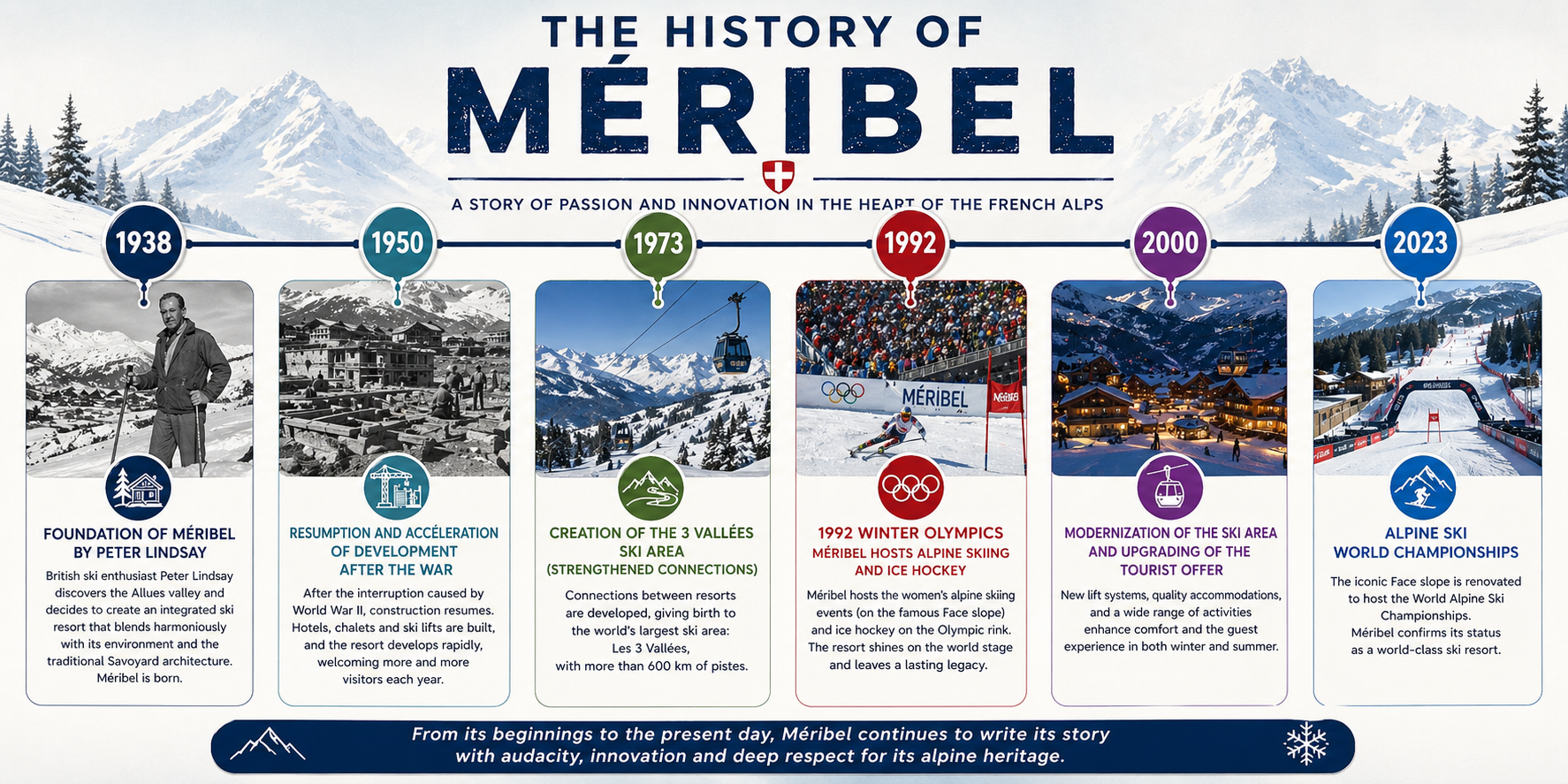
MÉRIBEL TODAY: A RESORT IN CONSTANT EVOLUTION
Since its inception, Méribel has continued to evolve to meet visitors’ expectations whilst preserving its identity.
Key figures (yesterday vs today)
- 1938: 1 ski lift
- Today: over 40 modern lifts
- Les 3 Vallées ski area: 600 km of slopes
- Annual visitor numbers: several hundred thousand
Recent projects and the future
The resort is undergoing a process of modernisation, notably with:
- the Plan Méribel 2038 programme, aimed at adapting the resort to climate challenges
- the renewal of the ski lifts
- improvements to visitor facilities
Over the 2024–2026 seasons, several investments have been made to enhance the customer experience:
- modernisation of the cable cars
- expansion of summer activities (mountain biking, hiking, trail running)
- upgrading of the wellness and leisure offering
Méribel is thus establishing itself as a four-season destination, attractive in both winter and summer.
| Year | Event | Impact |
|---|---|---|
| 1938 | Founded by Peter Lindsay | Station established |
| 1945–1950 | Post-war revival | Structured development |
| 1973 | Development of Les 3 Vallées | Global strategic positioning |
| 1992 | 1992 Winter Olympics | International reputation |
| 2000 | Infrastructure modernisation | Upgrading |
| 2023 | World Championships | Strengthening the sporting image |
| 2024–2026 | Recent investments | Four-season resort |
From its humble beginnings in a remote valley to its current status as an international resort, Méribel embodies a unique success story in the history of Alpine tourism. Visionary from the outset thanks to Peter Lindsay, it has evolved without ever losing sight of its core identity.
Combining heritage, innovation and a passion for the mountains, Méribel continues to write its story… and to attract travellers seeking authenticity and wide open spaces every year.
