Buying a holiday flat in a ski resort: Is it a sound investment? Is it still a good idea? (copy)
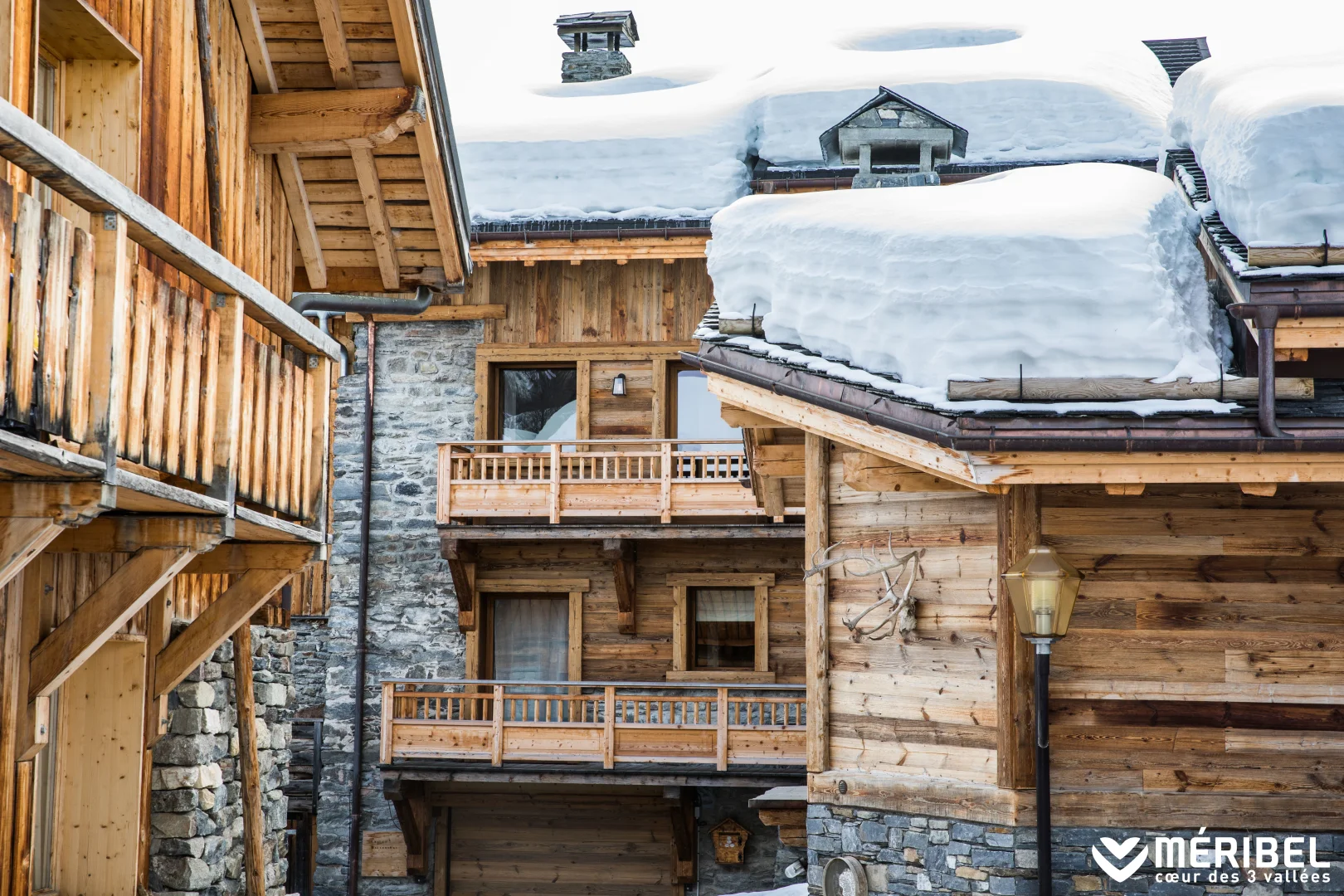
The mountain property market operates according to its own rules: prices have risen by over 26% in five years, occupancy rates exceed 80% in winter, and demand remains strong despite the national property crisis.
But new regulations (changes to the LMNP scheme, energy efficiency requirements, and restrictions on furnished holiday rentals) are reshuffling the deck.
The result: investing in a resort remains very attractive… provided you make the right choices.
This guide gives you all the keys to success:
- Rental yields of between 2% and 10%
- Tax optimisation via the LMNP
- Four-season resorts that provide a secure income
- Long-term capital appreciation potential
Between rental income, capital appreciation and personal use, mountain property ticks all the boxes. But you still need to know where and how to invest.
Why invest in a ski apartment?
Mountain property stands out as an exception in the French property market. According to a study by notaries in Loire-Atlantique, prices fell by an average of 2.1% across the region in 2024, whilst ski resorts remained virtually stable (-0.2%). Over five years, the increase even reached 26.2%. This resilience appeals to investors seeking a tangible, transferable asset that is relatively uncorrelated with traditional economic cycles.
The post-Covid effect has clearly boosted demand: between July 2020 and April 2023, prices jumped by 28%. The mountains attract those wishing to diversify their property portfolio with a property that can be used all year round, in both winter and summer.
Visitor figures confirm this appeal. During the 2025 winter holidays, the occupancy rate for accommodation reached 83% according to the ANMSM and Atout France, with peaks of 91% during the New Year week.
Demand is particularly strong in high-altitude resorts and large interconnected ski areas, where snow cover is a guarantee.
Furthermore, the resorts have adapted. Mountain tourism is no longer synonymous solely with downhill skiing. The diversification of activities broadens the customer base and extends the season:
- Skiing and snowboarding
- Hiking and snowshoeing
- Wellness and spas
- Remote working at altitude
- Mountain biking and trail running in summer
This combination of the joys of a second home, rental income and capital appreciation makes buying in a resort an option worth serious consideration.
How do you assess the profitability of a ski apartment?
Before signing, you need concrete figures. Gross, net and net-net profitability: these indicators give you a clear picture of your investment.
Calculating gross and net rental yield
The formula for gross yield is simple: (annual rent / purchase price) x 100. Let’s take a concrete example. A studio bought for €290,000 and rented out at €1,000 per week for 30 weeks generates €30,000 in annual income. The gross yield therefore stands at 10.3%.
However, this figure does not reflect the reality of your out-of-pocket costs. The net yield includes service charges: ((annual rent – service charges and costs) / purchase price) x 100. For this same studio, deduct €4,000 in service charges, €1,500 in council tax and €2,500 in maintenance costs. The net yield drops to 7.6%.
The net-net yield takes taxation into account, particularly for furnished holiday lets. Depending on your tax regime (micro-BIC or actual), tax eats into an additional portion. Thinking in terms of net-net helps you avoid unpleasant surprises.
Bank financing creates an attractive leverage effect. By borrowing, you increase the return on your equity, and the interest reduces your taxable base under the ‘réel’ regime.
Seasonality and occupancy rates: essential factors to consider
The mountains live to the rhythm of the seasons. In the peak winter season, occupancy rates climb to nearly 90% with rates at their highest. As soon as the slopes close, the situation changes.
The price per night varies depending on:
- The resort and its reputation
- The time of year
- The size of the accommodation
- The amenities on offer
A resort offering activities all year round (hiking, wellness, events) helps stabilise your income. Conversely, a resort with a single activity leaves you vulnerable to months of vacancies. The calculation must take into account:
- Vacancy periods between tenants
- Annual fixed costs
- Management and maintenance costs
A season without snow can halve your income. High-altitude resorts limit this exposure.
Beware of hidden costs and costs to anticipate
The harsh mountain climate causes properties to deteriorate faster than in the lowlands. Facades, joinery, and fittings: all these elements are affected by frost, damp, and temperature fluctuations. You should therefore expect to carry out renovations more frequently than elsewhere.
Added to this are caretaker fees, cleaning between each rental and outsourced rental management if you do not live on site. These items significantly increase the annual bill.
As for fixed costs, mountain co-ownerships incur high charges due to communal heating, snow clearance of access routes and maintenance of communal areas. Local taxes and the specific taxation applicable to furnished holiday lets are added to this.
Finally, don’t forget specific insurance policies: comprehensive home insurance tailored to the mountain climate and rental vacancy cover to safeguard your income during quiet periods.
Where should you buy to maximise profitability in a ski resort?
Location is everything. Altitude, size of the ski area, and accessibility from major cities: these three criteria largely determine a property’s value and its rental potential. Here is our analysis of the resorts and the opportunities to be seized.
Comparison of leading resorts: price per m² and yield (2025–2026)
Indicative data based on market trends and on-the-ground observations.
Price differences between resorts reflect very different realities:
- In Val d’Isère or Courchevel, you are investing in prestige and capital appreciation.
- In Méribel, you combine a high-end image with access to the world’s largest interconnected ski area: Les 3 Vallées. The clientele here is international, family-oriented and loyal.
- Courchevel attracts a very affluent clientele, keen on exceptional chalets and premium services.
Mid-altitude or developing resorts offer more affordable prices and sometimes higher gross yields. Here are some approximate and indicative figures to give you a general idea:
| Resort | Location | Average price per m² | Gross yield |
|---|---|---|---|
| Val d’Isère | Premium | ~€14,000 | 2–4% |
| Courchevel | Ultra premium | €12,000 to €25,000 | 2–4% |
| Méribel | Family premium | €10,000 to €15,000 | 3–5% |
| Megève | Premium | €10,000 to €18,000 | 3–5% |
| Chamonix | Premium | €8,000 to €13,000 | 4–6% |
| Les Menuires | Family-friendly | ~€7,000 | 5–8% |
| La Plagne | Family-friendly | €8,800 to €13,000 | 6–8% |
| Les Arcs | Family-friendly | ~€4,300 | 6–8% |
| Chamrousse | Up-and-coming | ~€2,600 | 7–10% |
| Orcières | Emerging | ~€2,400 | 7 to 10% |
Studio flats offer the highest gross returns, family flats provide more stable capital appreciation, and luxury chalets offer lower returns but high potential for capital gains.
How to choose the right resort… and the right property?
Altitude determines snow reliability. Above 1,800 metres, the seasons unfold without any nasty surprises. Next, check for year-round activities:
- Wellness and spas
- Cultural and sporting events
- Family-friendly facilities
- Hiking and mountain biking in summer
Accessibility matters too: proximity to a TGV station, a motorway or an international airport makes short-term rentals and spontaneous breaks easier.
Are you looking to buy a property in Méribel? Our team is here to support you with your project.
WHAT KIND OF CAPITAL GAIN CAN YOU EXPECT ON RESALE?
Mountain property offers real potential for appreciation.
Over 10 years: +20% to +60% depending on the resort
KEY FACTORS
- Scarcity of land
- Reputation of the resort
- Altitude
- Quality of the property
In practical terms, an average capital gain of 2 to 5% per year is achievable if the criteria mentioned above are met.
Taxation and optimisation strategies for a profitable purchase of a ski apartment
Taxation relating to rental investment in the mountains is a key consideration. Depending on the scheme chosen, your tax bill can vary by as much as 100%. An overview of the available options.
You retain LMNP (Non-Professional Furnished Letting) status as long as your rental income remains below €23,000 per year, or as long as it remains lower than your other income from employment.
Once both these thresholds are exceeded simultaneously, you switch to LMP (Professional Furnished Letting) status. This status offers additional tax benefits, notably the ability to offset losses against your total income and a potential exemption from capital gains tax after five years of activity. In return, administrative requirements are increased and social security contributions apply.
The Le Meur Act has amended the rules for the micro-BIC scheme from 2025 onwards. The ceiling for unclassified tourist accommodation has been lowered to €15,000 with a reduced allowance of 30%. Classified tourist accommodation retains a 50% allowance up to €77,700 in revenue. Having your property classified therefore becomes a real lever for optimisation.
|
Regime |
Ceiling |
Allowance |
Advantages |
Disadvantages |
|
LMNP micro-BIC (unclassified) |
€15,000 |
30% |
Reduced paperwork |
Low tax allowance |
|
LMNP micro-BIC (classified) |
€77,700 |
50% |
Simplicity, reasonable allowance |
No deduction for expenses |
|
Actual LMNP |
No limit |
Actual expenses |
Deductible depreciation |
Mandatory accounting |
|
LMP |
No limit |
Actual expenses |
Tax-deductible loss, capital gains exemption |
Social security contributions, complexity |
|
Commercial lease |
Variable |
Depreciation |
Outsourced management, VAT recovery |
Long-term long-term |
A commercial lease with a holiday accommodation operator simplifies management and provides access to favourable depreciation allowances. VAT recovery on the purchase is also possible under certain conditions.
Mistakes to avoid for your first property investment in a resort
Before investing:
☐ Underestimating service charges
☐ Buying on impulse
☐ Ignoring seasonality
☐ Overestimating rental income
☐ Neglecting tax implications
☐ Forgetting
local regulations ☐ Buying in a poor location
☐ Failing to plan for resale
☐ Managing alone without expert advice
This checklist can help you avoid a bad deal.
FAQ: Everything you need to know about the profitability of a ski apartment
WHAT IS THE MINIMUM BUDGET FOR INVESTING?
In 2026:
- Emerging resorts: €80,000 to €150,000
- Family resorts: €150,000 to €300,000
- Premium resorts: €300,000 to €1 million+
In Méribel:
- Studio: from €250,000
- Family apartment: €400,000 to €800,000
What are the average rental yields in resorts?
The gross yield varies depending on the resort and the type of property. Family resorts generally offer between 5% and 8%, whilst premium resorts tend to offer between 2% and 5%. A well-located studio in a vibrant resort can easily achieve a gross annual yield of 6% to 7%.
Buying a studio or a large flat: which should you choose to maximise profitability?
A studio generates a better rental yield thanks to a more affordable purchase price and high demand. On the other hand, a family flat appreciates better in the long term and attracts tenants willing to pay more per week. Your choice therefore depends on your strategy: immediate income or long-term capital growth.
How to finance a property purchase in a resort?
Banks finance second homes with a deposit often ranging from 10% to 20%. A standard mortgage works very well, and the interest on the loan is tax-deductible if you opt for the ‘régime réel’ under the LMNP scheme. Some institutions also offer bridging loans or financing packages tailored to rental investors.
Is it possible to rent out your property all year round?
Yes, provided you choose a four-season resort. Méribel, Courchevel and La Plagne attract skiers in winter as well as hikers and mountain bikers in summer. A local agency can help you optimise the rental calendar and minimise periods when the property is vacant.
In summary, what tax relief schemes are available for a ski property purchase?
The LMNP status under the actual income regime is the most common: it gives you access to depreciation and the deduction of expenses. The LMP status is suitable for large estates, offering additional benefits regarding losses and capital gains. In tourist accommodation, a commercial lease entitles you to reclaim VAT.
When is the best time to buy a mountain apartment?
Spring and autumn are the best times. Motivated sellers lower their prices after the winter season, and competition among buyers decreases. This gives you more room to negotiate. It’s a good habit to get into to browse the catalogue of properties available in the off-season.
AN ATTRACTIVE… BUT STRATEGIC INVESTMENT
Mountain property combines profitability, high demand and long-term appreciation, with the added bonus of being able to enjoy it yourself. It’s a well-rounded investment, but one that requires careful consideration: location, tax implications and rental strategy are key factors.
To ensure the success of your project in Méribel, relying on local expertise makes all the difference.
Agence Saulire supports you at every stage to safeguard and optimise your investment.
