The flora and fauna of Savoie
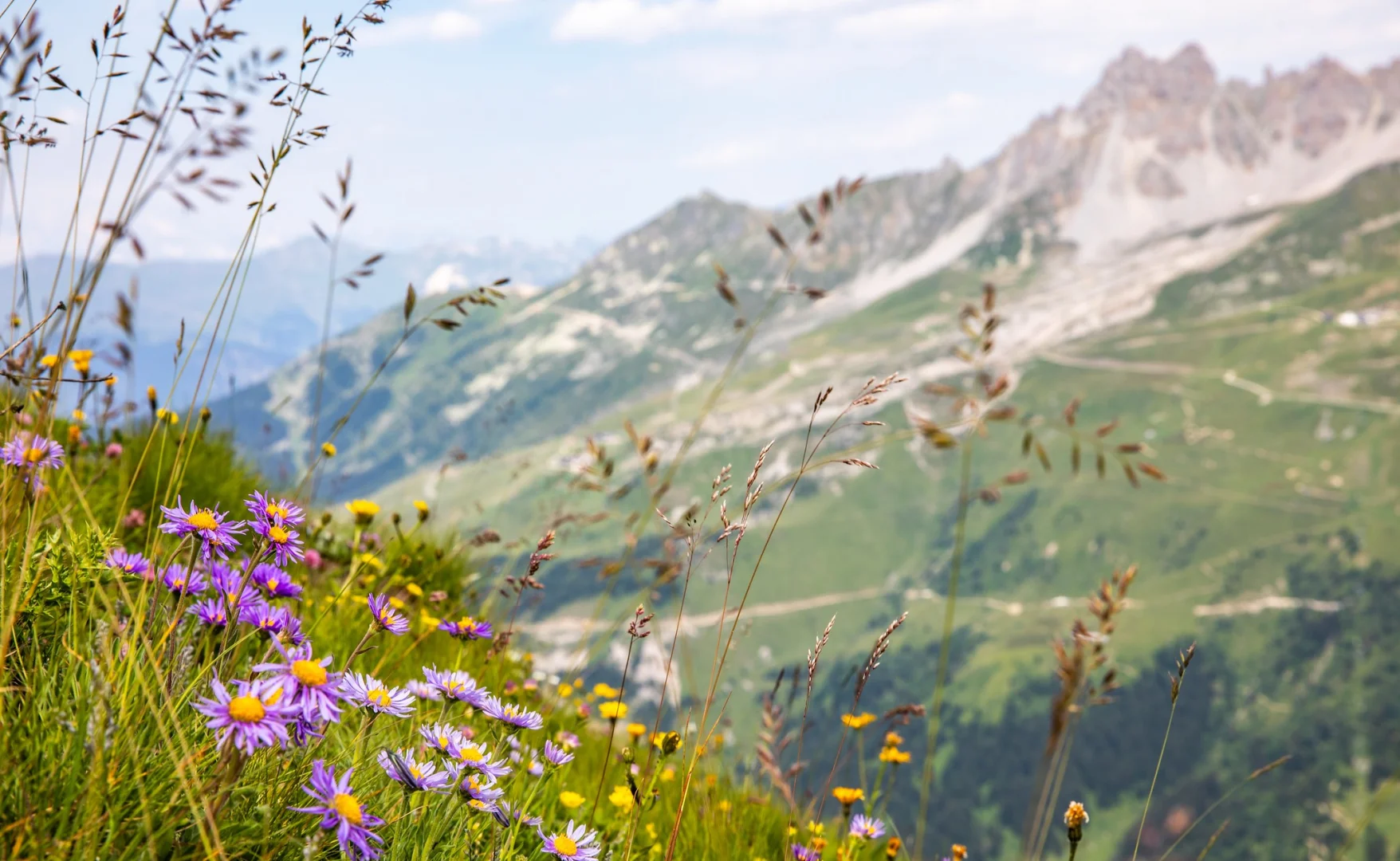
Savoie is brimming with natural treasures. With its mountain pastures, high-altitude forests and rocky areas, the region boasts exceptional biodiversity.
Through this guide, set off to discover the iconic mountain species… and learn how to observe them whilst respecting their environment.
Important reminder:
- Never feed the animals
- Do not pick wild flowers
- Stay on marked trails
- Respect protected areas
Iconic wildlife of Savoie
The marmot
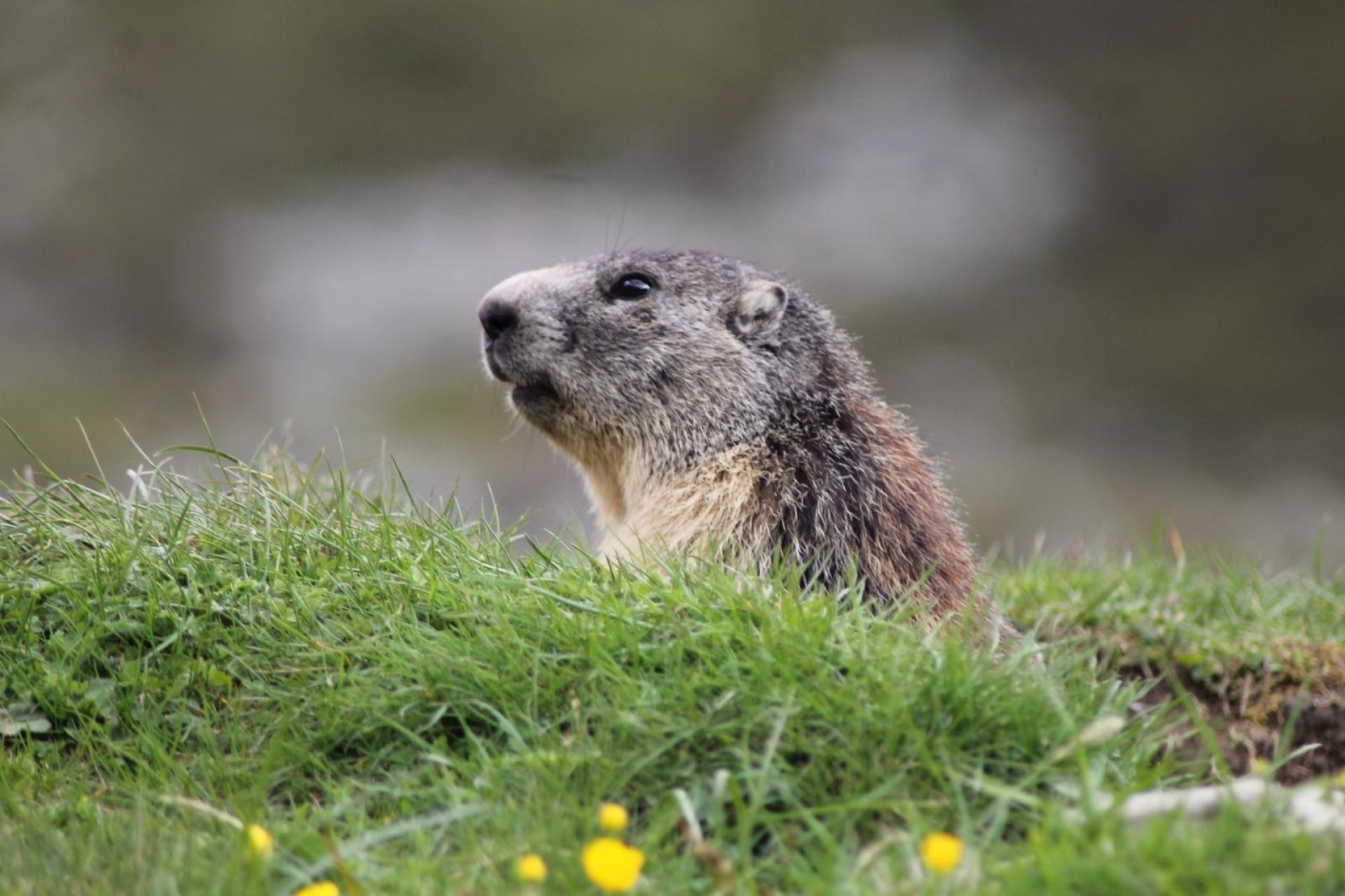 Scientific name: Marmota marmota
Size: 50 cm, weighing 3 to 7 kg
Life expectancy: 6 to 15 years in the wild
Unsurprisingly, the marmot, this adorable herbivorous animal, is easily spotted from the end of winter.
After several months of hibernation and having used up their reserves, marmots emerge from their burrows, often followed by their young in June.
It is not uncommon to see them in the middle of moulting. This lasts about a month and allows their fur to adapt to the summer season, with a shorter, lighter coat.
Marmots live in colonies and have a highly hierarchical family structure, consisting of a dominant pair, a few young adults and juveniles.
Their burrows, which can extend for several dozen metres, contain various spaces serving different purposes: chambers, emergency exits and areas for excrement.
On your next hike, pay attention to how they communicate.
If the marmot whistles once, briefly, the danger comes from the sky.
On the other hand, if you hear several rapid whistles, the danger comes from the ground.
The best time to spot them is early in the morning and at the end of the day. The Plagne plateau is a place where they are plentiful and love to play; you’re bound to come across some.
The ibex
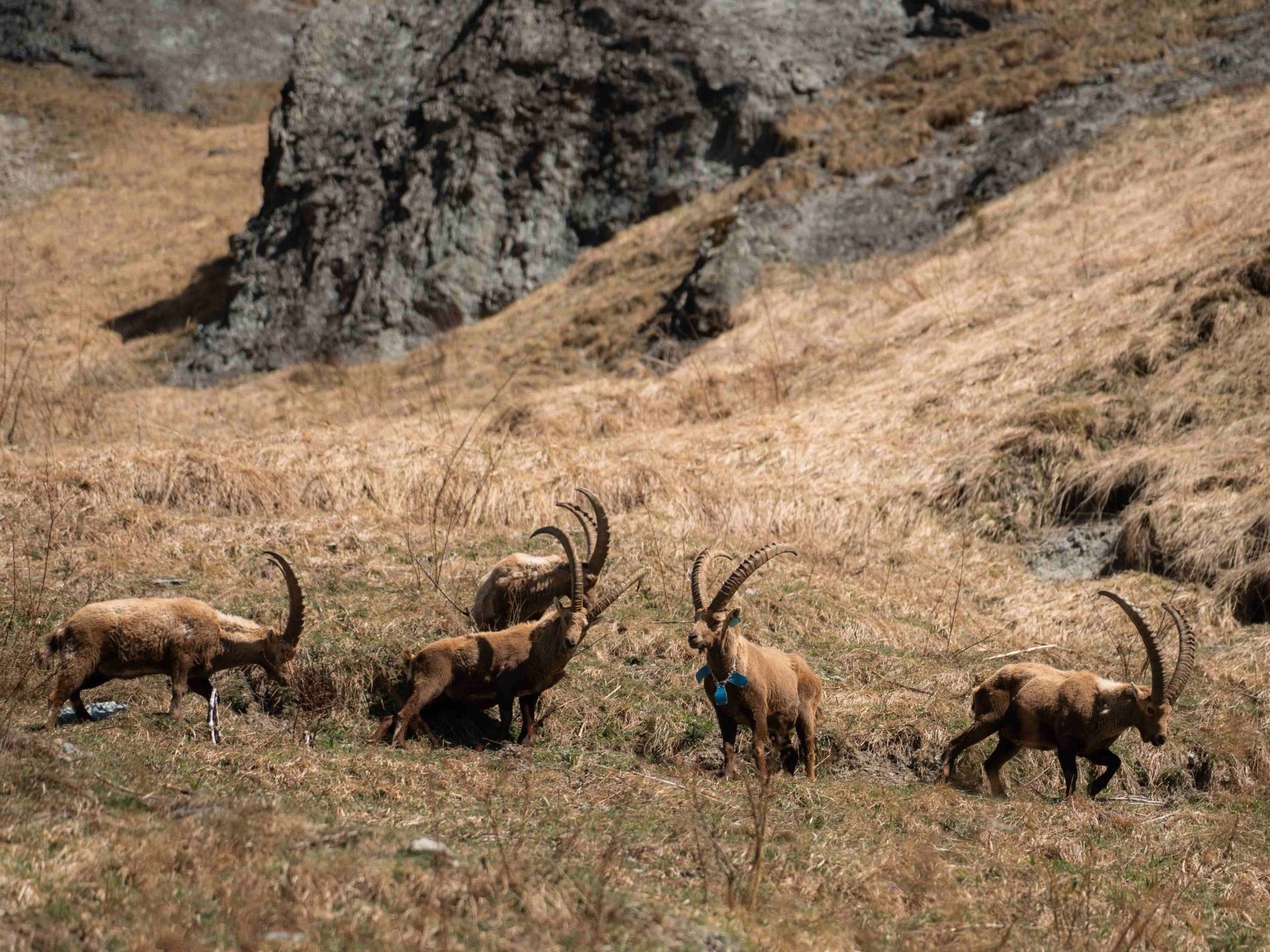
Scientific name: Capra ibex
Size: up to 1 m at the withers / Weight: between 60 and 120 kg
Life expectancy: 12 to 15 years
A symbol of the Vanoise National Park, the ibex was saved from extinction thanks to significant conservation efforts.
This exceptionally agile animal is at home on rocky cliffs. Males are distinguished by their imposing horns, which can reach up to a metre in length, whilst those of the females are slimmer and shorter.
In winter, the males engage in spectacular fights, which are decisive in determining access to the females during the breeding season.
These confrontations establish a hierarchy: only the strongest and most robust individuals reproduce, which strengthens the vitality of the species whilst limiting inbreeding.
Unlike deer, their horns never fall off and continue to grow throughout their lives. The ridges on the horns allow their age to be estimated.
Like marmots, ibex moult in spring and autumn.
However, unlike marmots, they do not hibernate, but limit their movements during the winter.
A tip for spotting them: head to the area around the Refuge du Saut or, more easily, to Champagny-la-Vanoise, preferably early in the morning or late in the day.
The best time to spot them is in May!
The chamois
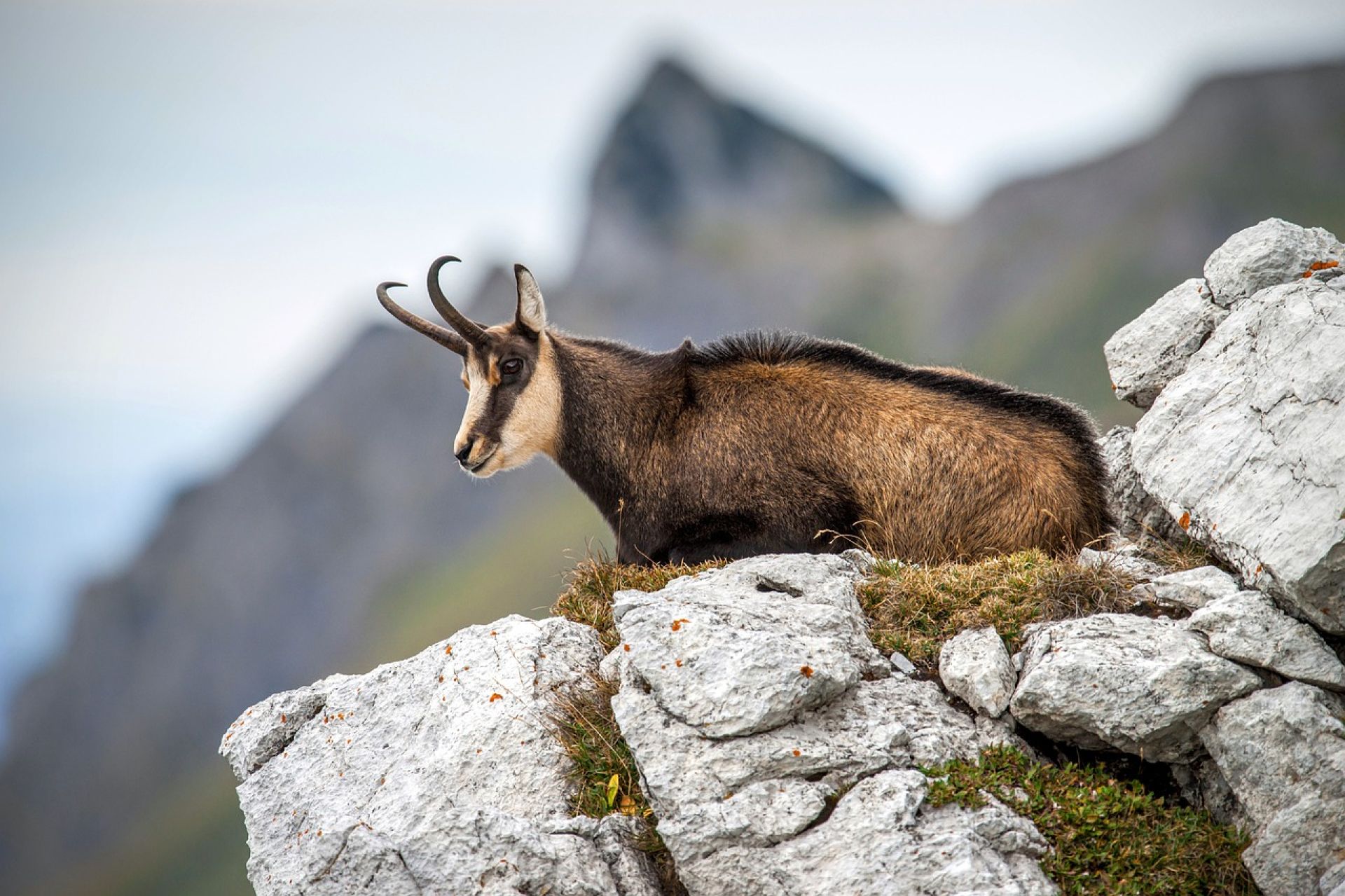
Scientific name: Rupicapra rupicapra
Height: 75 cm at the withers / Weight: 30 to 50 kg
Life expectancy: 10 to 15 years
More shy than ibex, chamois are even more agile thanks to their smaller build.
Chamois have keen eyesight and very sharp hearing, enabling them to detect movement from 300 metres away.
It can emit a warning whistle if it feels threatened.
They share many similarities with ibex, particularly regarding their diet, life expectancy and breeding season.
The chamois has very dark fur, especially in winter. Its horns are much smaller and hooked.
More difficult to spot, the chamois is swift and skittish; it tends to hide in wooded areas at the edge of cliffs.
The golden eagle
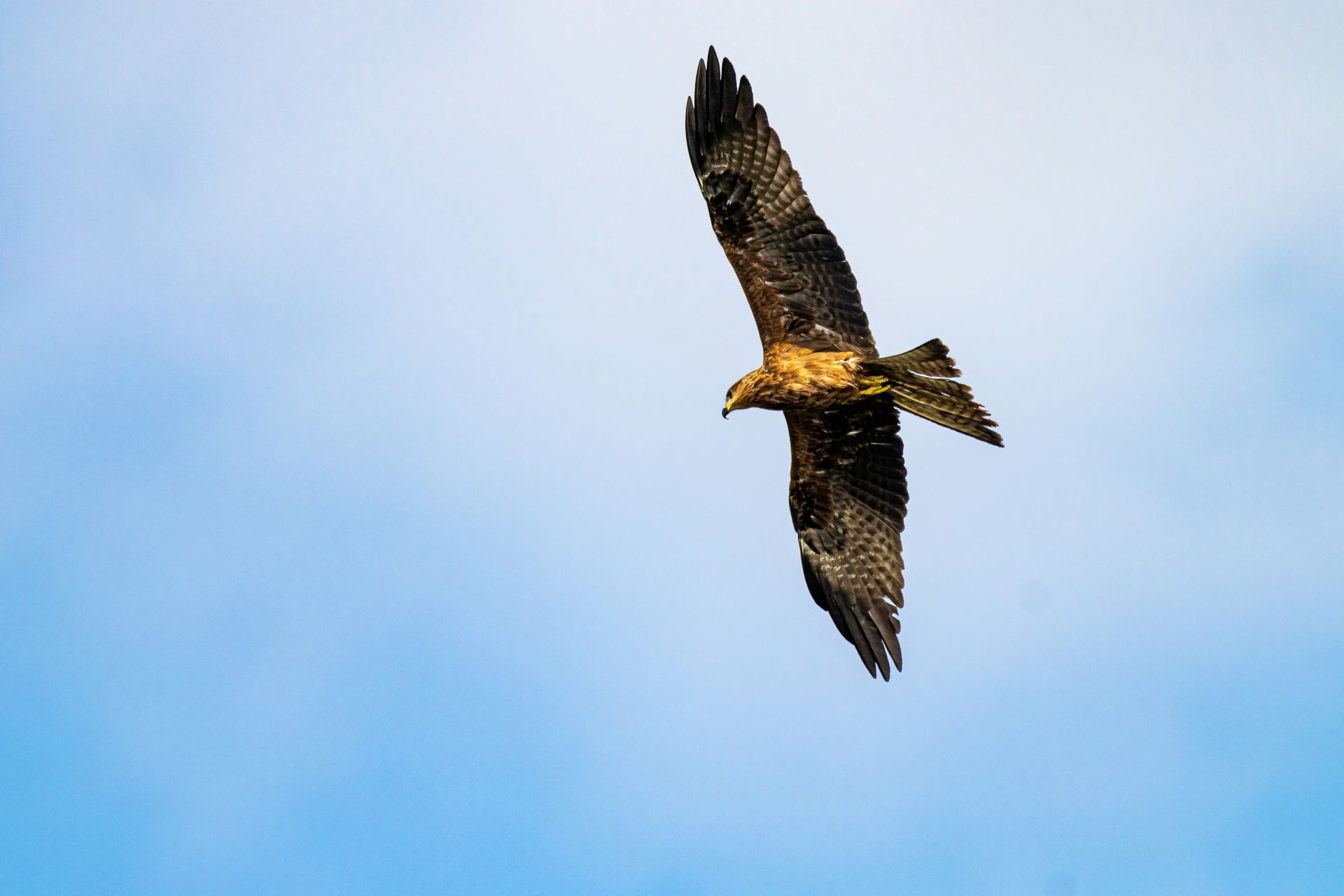
Scientific name: Aquila chrysaetos
Wingspan: up to 2.30 m / Weight: approx. 4–6 kg
Life expectancy: in the wild between 20 and 25 years
A majestic bird that has inhabited the Alps for thousands of years, the eagle is a protected species.
It nests on cliffs at altitudes of between 1,000 and 2,500 metres.
With eyesight eight times sharper than that of humans, it easily spots its prey.
Its very powerful legs, equipped with sharp talons, enable it to capture and carry off prey weighing up to 5 kg.
It feeds mainly on marmots, but also on young chamois and ibex.
Did you know? The eagle can reach top speeds of up to 160–200 km/h.
The bearded vulture
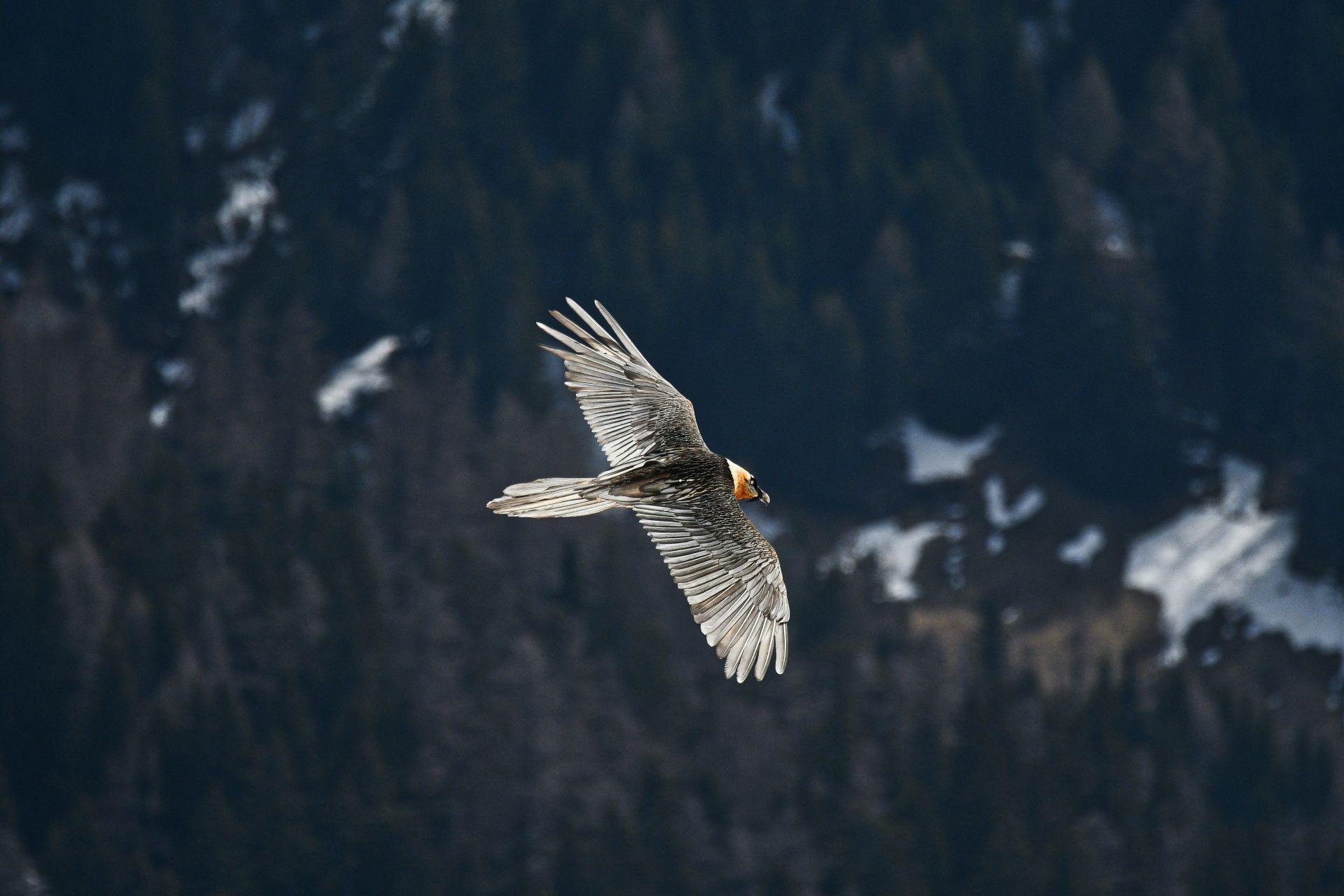 Scientific name: Gypaetus barbatus
Wingspan: up to 2.80 metres / Weight: 5 to 7 kg.
Life expectancy: 20 to 30 years
Recognisable by its red eyes ringed with black, its rust-coloured belly and its drooping black ‘beard’ beneath the beak, the bearded vulture can have a wingspan of up to 3 metres.
It is a highly intelligent bird: it can recognise complex routes, remember specific locations and learn by observing others.
It is also very faithful: once it has found a mate, it remains with its partner for several decades.
Despite its imposing size, it remains discreet. It flies majestically, using thermal updrafts.
Known as the ‘cleaner of the treetops’, the bearded vulture does not kill its prey.
Over 70% of its diet consists of bones, as well as the remains of other prey (tendons, cartilage, etc.).
Very often, two eggs are laid, but only the strongest survives by eliminating the other, a behaviour known as cainism.
Note: it is the only ossivorous bird of prey. It digests bones using highly acidic gastric juices, more potent than those of vultures.
If the bone is too large, it drops it whilst in flight to break it, thus making it easier to swallow.
The Black Grouse
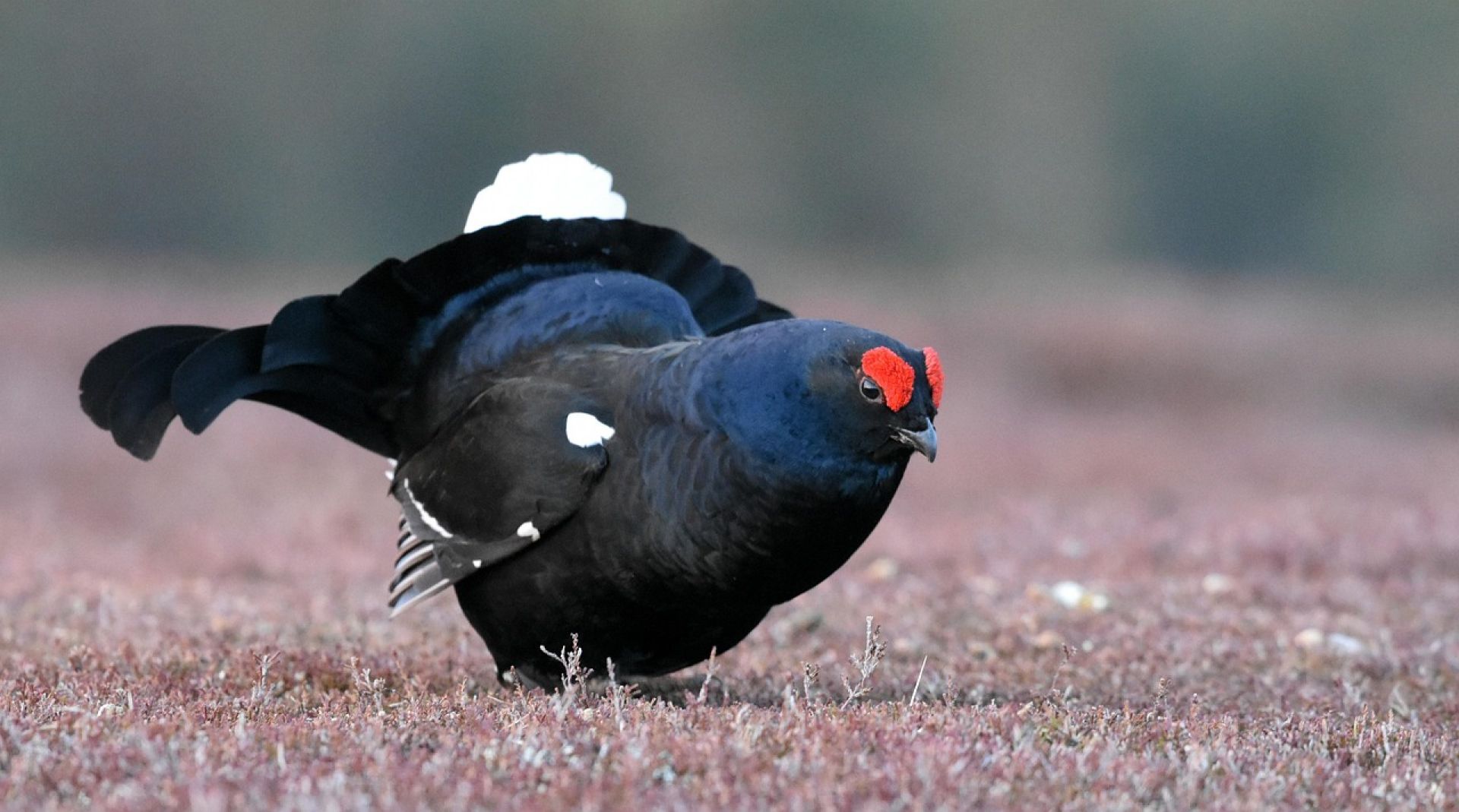
Scientific name: Tetrao tetrix
Size: 45–60 cm / Weight: 0.8–1.4 kg
Life expectancy: 4–5 years (10 if conditions are really good)
Also known as the black grouse, the black grouse is a discreet yet spectacular bird, particularly during its courtship display.
This takes place between late April and mid-May, at dawn, when the males arrive and engage in a display that is both vociferous and physical.
With a diet consisting of plants and seeds, the black grouse feeds mainly on alpine flowers, berries and a few insects.
Highly sensitive to disturbance, this species, which is in sharp decline, is now strictly protected. You will also notice numerous protected areas within the ski resort.
In winter, black grouse take refuge in ‘igloos’ dug beneath the snow, which help them retain heat and escape predators.
The black grouse’s wintering grounds are often off the marked slopes.
It is therefore essential to:
- Respect the quiet zones marked out by the parks,
- Avoid off-piste skiing in high-altitude forests in winter,
- Keep dogs on a lead.
The asp viper
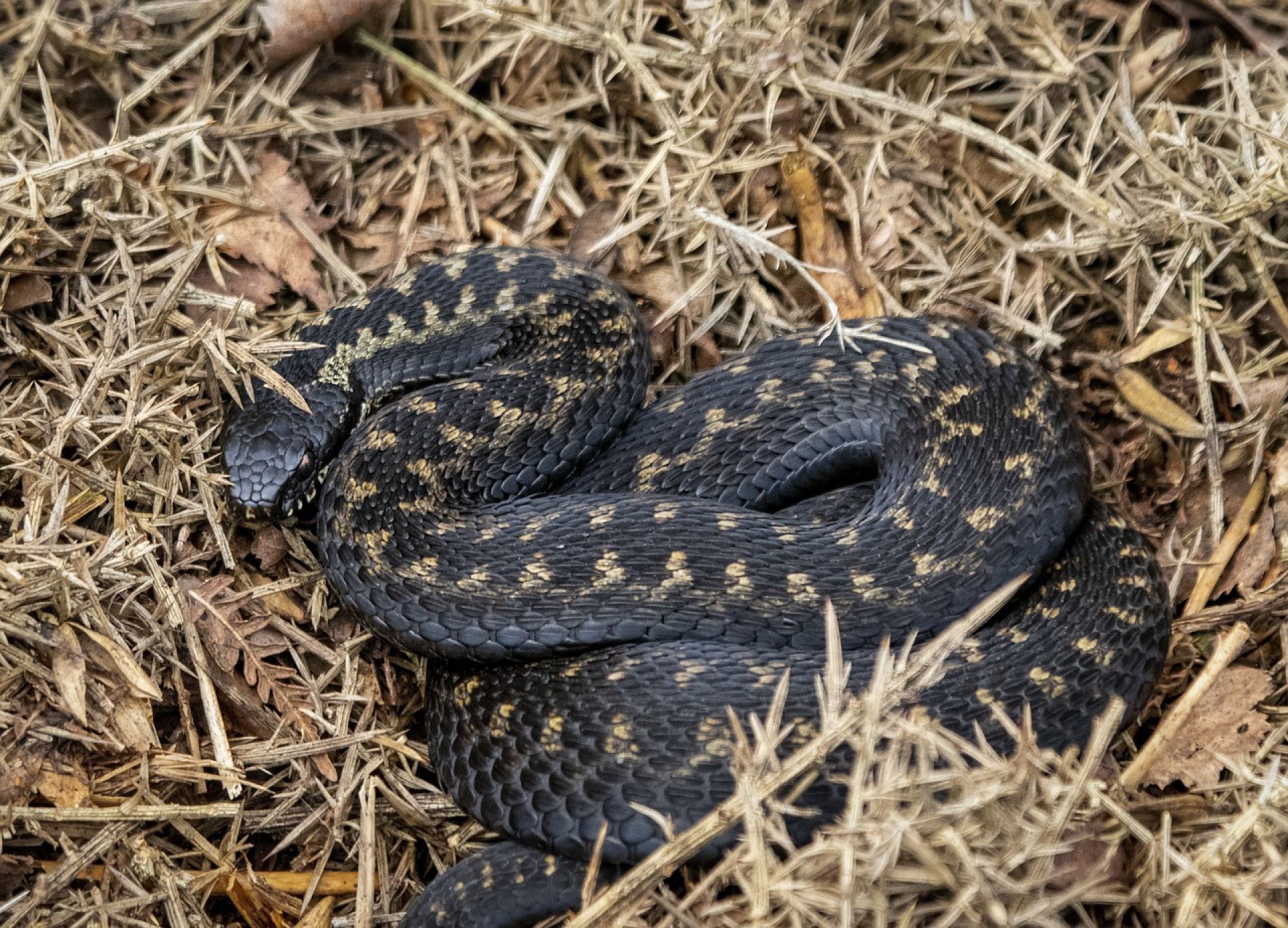 Scientific name: Vipera aspis
Size: 50 to 70 cm
Life expectancy: 15 to 20 years
The only venomous snake species in Savoie, the viper can be recognised by its triangular head, vertical pupils and a body shorter than that of a grass snake.
The viper hibernates between October and April, then emerges as soon as temperatures reach around 10 °C.
It is mainly found in rocky, dry areas that are well exposed to the sun.
It feeds mainly on small rodents, but may also eat insects.
Despite its bad reputation, the viper is not aggressive by nature: it prefers to flee or hide. It only defends itself if taken by surprise or if stepped on.
Bites remain rare, with fewer than 200 reported annually in France, despite millions of hikers.
They prove fatal in approximately one case per decade.
Advice for hikers:
- Do not walk through tall grass without a walking stick,
- Watch where you put your hands when sitting on rocks,
- Wear closed-toe shoes in rocky areas,
- Never handle a snake, even if it is dead,
- Off the beaten track, stamp your feet loudly to signal your presence,
- If you see one: give it time to escape.
Other species to discover
- Alpine ptarmigan
Camouflaged in winter with its white plumage, it lives in cold, windy areas.
- Brown hare
Changes colour with the seasons (white in winter).
- Tengmalm’s owl
A rare nocturnal bird of prey living in high-altitude forests.
- Dipper
A small bird capable of walking underwater in mountain streams.
Alpine flora of Savoie: wonderful species to discover
We would like to remind you that the flowers are magnificent, and it is tempting to pick them as a souvenir or to give as a gift. However, it is not advisable, and in fact prohibited, to do so in nature parks and reserves.
Edelweiss
.jpg)
An iconic, rare and precious flower, the edelweiss is a true symbol of the mountains.
It is recognisable by its silvery-white, star-shaped tuft, as well as its small yellow flowers clustered in the centre.
Found at high altitudes in rocky terrain, it blooms between June and August.
It is particularly resilient to extreme conditions (even at temperatures of -20°C, like in a freezer).
Did you know? Legend has it that young lovers would climb mountains to pick one, risking their lives, as a token of their love.
The edelweiss also features on certain coins, military badges and logos, further cementing its status as an Alpine icon.
Snow gentians
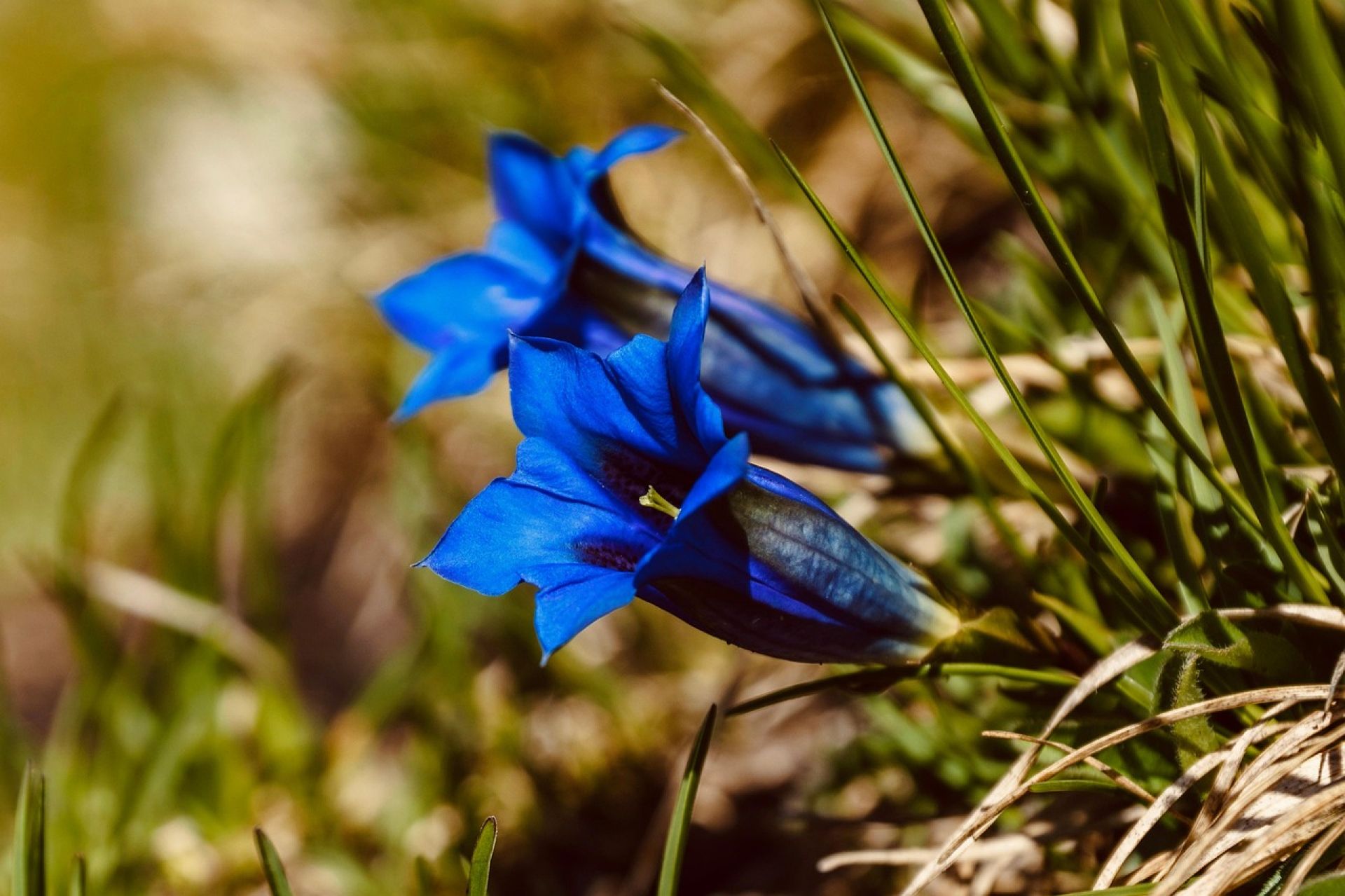 Quite different from the yellow gentian, the snow gentian is a small alpine plant that grows to no more than 10 cm in height.
Its intense azure blue colour and five fused petals give it a delicate and unique beauty.
It is one of the first flowers to appear after the snow melts, brightening the still snow-covered landscapes with its vibrant hues.
This plant particularly loves sunshine and clear days.
As soon as the sky clouds over or the temperature drops, it closes gently, as if to protect itself from the weather.
This ingenious behaviour allows it to preserve its pollen and optimise its flowering during favourable periods.
Genepi
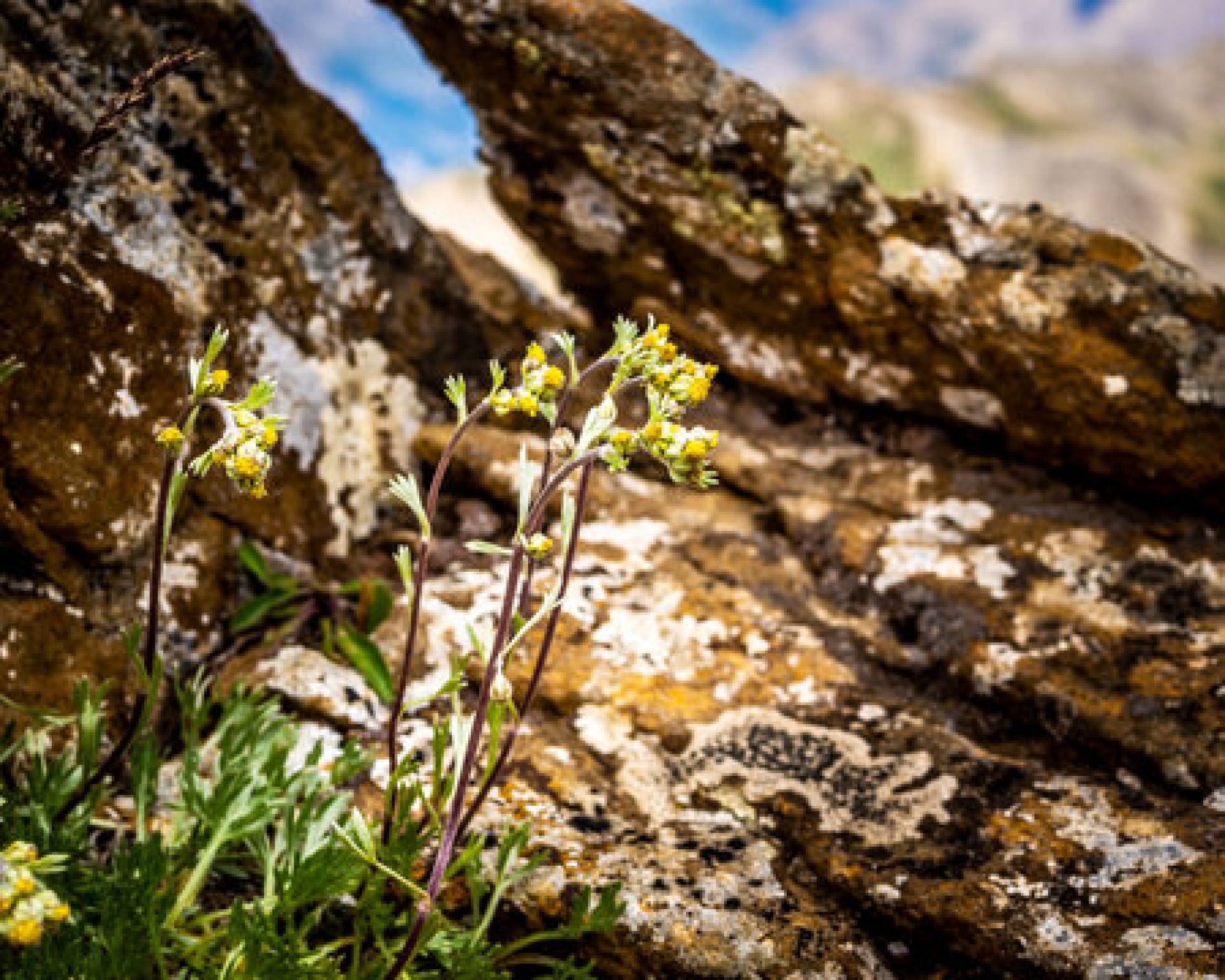
Also well known and appreciated as an aromatic plant, génépi is a small plant with stems measuring between 10 and 30 cm, featuring silvery-grey leaves and delicate pale yellow flowers.
Its scent is very distinctive, both aromatic and camphor-like, easily recognisable to connoisseurs.
Genepi grows mainly on rocky slopes and scree, at altitudes of over 2,000 metres, where conditions are harsh but perfectly suited to its growth.
It flowers between July and August, its small, bright flowers then dotting the alpine landscape.
Widely used in the production of the famous liqueur of the same name, génépi is also consumed as a herbal tea, particularly for its traditional properties in treating digestive problems.
Arnica
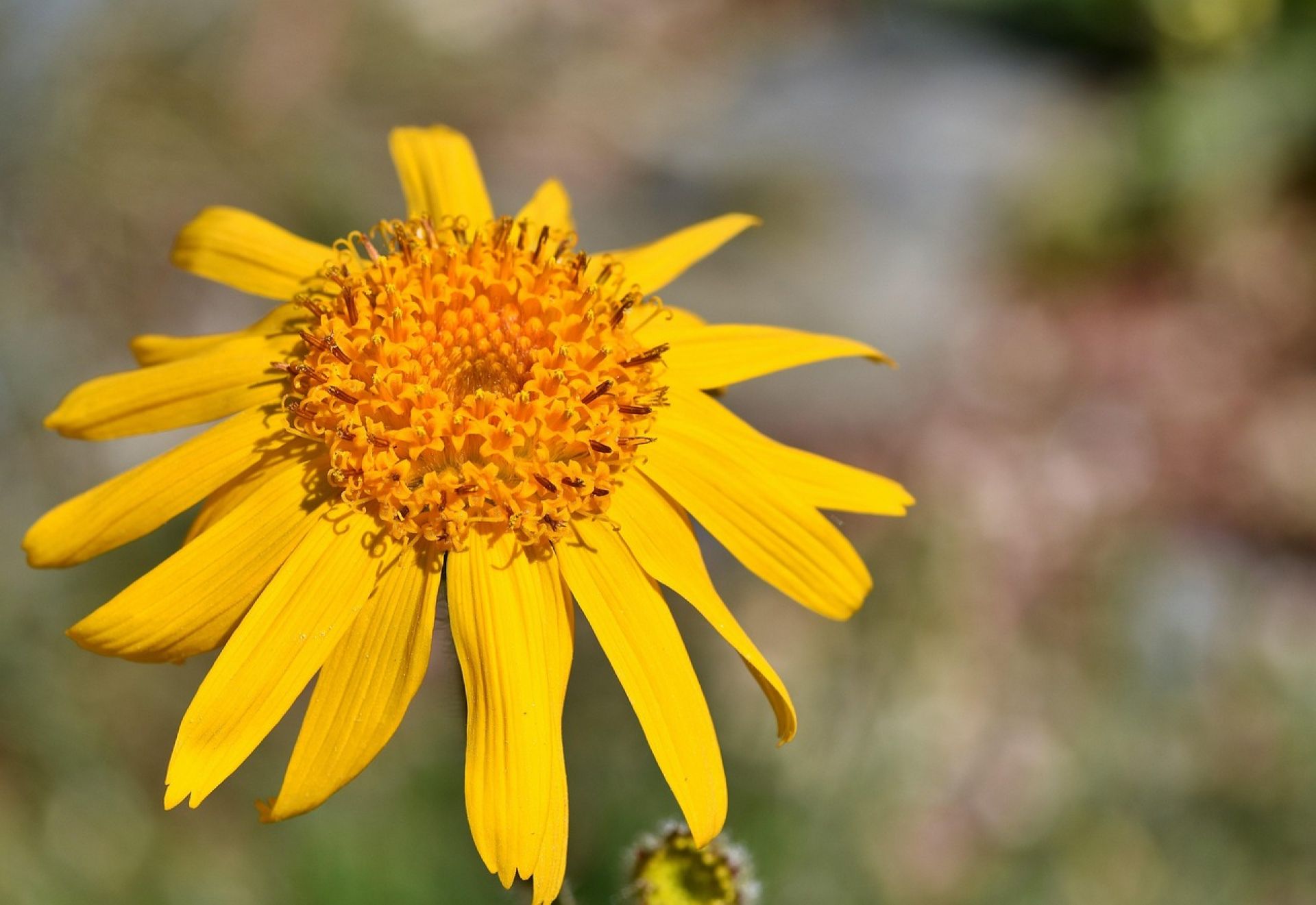
Growing to between 20 and 60 cm in height and featuring a bright orange-yellow colour, arnica is an easily recognisable plant, often compared to a large daisy.
It flowers between June and August, depending on the altitude at which it grows.
Arnica is well known for its medicinal properties, particularly for soothing minor everyday injuries. However, it should only be used externally and with caution.
It can be used in various forms:
- Oil macerate, obtained by leaving the dried flowers to macerate in a neutral oil,
- Gel, cream, ointment, compress or tincture, which the more adventurous can make themselves, or which can easily be found in pharmacies.
Arnica is particularly effective at soothing bruises, haematomas, sprains and muscle pain, making it a valuable ally for sportspeople and hikers.
Other notable species
- Rhododendron ferrugineum (bright pink, mountain pastures)
- Martagon lily (elegant purple flower)
- Mountain houseleek (rock-hardy plant)
- Alpine snowbell (early-flowering plant after snow)
- Wild blueberry (edible berries in summer)
WHERE CAN YOU SPOT WILDLIFE IN SAVOIE?
Take the time to look around you. Here are a few recommendations for places where you’re most likely to spot them.
Vanoise National Park
A protected area with exceptional biodiversity (ibex, bearded vultures).
Méribel & Mottaret
- Tuéda Reserve
- Animal Trail
- Plan de l’Homme
Beaufortain
Wild, unspoilt landscapes, perfect for observing shy wildlife.
FAUNA AND FLORA THROUGHOUT THE SEASONS
Spring: wildlife awakens, early flowering
Summer: ideal time for observation
Autumn: colours and preparations for winter
Winter: elusive wildlife, sensitive areas to be respected
PROTECTED SPECIES AND REGULATIONS (2026)
In the Vanoise National Park:
✔ No picking of plants
✔ No disturbing animals
✔ Dogs prohibited or strictly regulated
✔ Supervised camping
Protected species, a few examples
- Bearded vulture (protected at European level)
- Golden eagle (nationally protected)
- Black grouse (vulnerable species)
- Edelweiss (locally protected)
Practical summary
| Species | Type | Season | Altitude | Recommended location |
|---|---|---|---|---|
| Marmot | Wildlife | April–September | 1,500–2,700 m | Tuéda |
| Ibex | Wildlife | All year round | 1,800–3,000 m | Vanoise |
| Golden eagle | Wildlife | All year round | 1,000–2,500 m | Alpine valleys |
| Edelweiss | Flora | June–August | 1,800–3,000 m | Rocky areas |
| Genepi | Flora | July–August | 2000m+ | Scree |
Many other species are present, so take the time during your next hike to observe the local flora and fauna.
In Méribel-Mottaret, you’re just a stone’s throw from the Tueda Nature Reserve. You can also find plenty of information at the Maison de la Réserve.
To make the most of this natural setting, consider booking accommodation with Agence Saulire. Our catalogue is available HERE.
